Tel: +86-134-31394972
E-mail: sales@pre-webguidesystem.com
Tel: +86-134-31394972
E-mail: sales@pre-webguidesystem.com
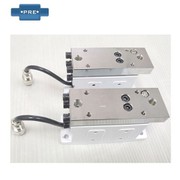
Tension sensors are a commonly used test instrument. The range of test products includes pharmaceuticals. Typical applications include weighing the agitated containers that handle the corresponding prescriptions during processing in the factory. How should the user connect the tension sensor? The following is a brief introduction to the connection method of the tension connector. I hope it can help everyone.
Clamshell
The tension detector has a clamp connection that measures the tension of the web through the stationary stationary and moving axes. A tension sensor is attached to each end of the frame, and the idler roller is supported between the two tension sensors. The sandwich connection allows the idler roller to be easily installed when the tension sensor is mounted on both ends of the frame. This connection adjusts the misalignment of the idler rollers between the frame and the machine during thermal expansion. This unique design can also be used on stationary and moving axes.
Roller type
The roller-in-line connection is directly embedded at both ends of the idler roller, and the tension load cells are mounted on the frames at both ends, and the idler roller is installed between the two tension sensors. This in-roller connection uses a spherical bearing to smooth the adjustment of the idler roller rotation and the misalignment between the frames. This connection eliminates the need for idler rolls for the shaft and bearings, which reduces the cost of the tension sensing system.
Reel type
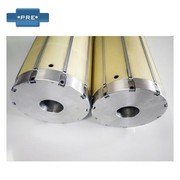
This reel type uses a simple stranded application for a variety of materials. When attached to the ends of the frame or bracket, the load cell tests the tension through the nickel-plated aluminum tension sensor strand.
Previous: Tension Control System On Rotary Offset Press
Next: Application Of Tension Controller In Gravure Equipment Manufacturing