Tel: +86-134-31394972
E-mail: sales@pre-webguidesystem.com
Tel: +86-134-31394972
E-mail: sales@pre-webguidesystem.com
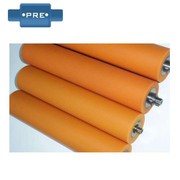
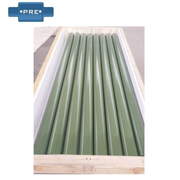
The slight elastic deformation of the rubber layer on the surface of the rubber roller is used to make the product surface bear a certain pressure, which is suitable for industrial requirements but does not generate excessive shear stress and damage the product. For example: the press roller in the paper machine, the liquid roller in the printing and dyeing machine, can squeeze out the water in the paper or cloth without damaging the paper or cloth. The hardness of this rubber roller is generally 70-90 degrees.
In various mechanical parts, rubber rollers are often used instead of metal rollers. Such rubber rollers, commonly known as bakelite rollers, have a higher hardness of 90-100 degrees, and generally play a role of conduction and support, such as: paper machine Case roller, felt roller and cloth guide roller in printing and dyeing machine, etc. If on the surface of the high-hardness rubber roller, the inverted forward thread is machined, it becomes a sub-roller or a distribution roller, which has the effect of making the blanket or cloth stretched and straight.
Because the rubber roller has the advantages of acid and alkali resistance and no rust. It is also widely used in the pickling of printing and dyeing, strip steel, strip copper and other industries. In the belt conveyors equipped with a large number of equipment in metallurgy, mines, docks, storage yards, etc., the active rollers used for transmission were flat smooth rollers in the past. In order to improve the friction coefficient and prevent the belt from slipping, the roller surfaces at home and abroad have been improved this year Glyph or rhombus.
Silicone rubber rollers made of high temperature resistance and non-heat-adhesiveness of silicone rubber have become indispensable parts in new industrial sectors such as plastic woven fabrics, paper fabric resin thermal paste, spraying, and compounding.
Previous: What Are The Precautions When Manufacturing Rubber Bending Rolls?
Next: Overview Of The Surface Coating Process Of Aluminum Guide Rolls