Tel: +86-134-31394972
E-mail: sales@pre-webguidesystem.com
Tel: +86-134-31394972
E-mail: sales@pre-webguidesystem.com
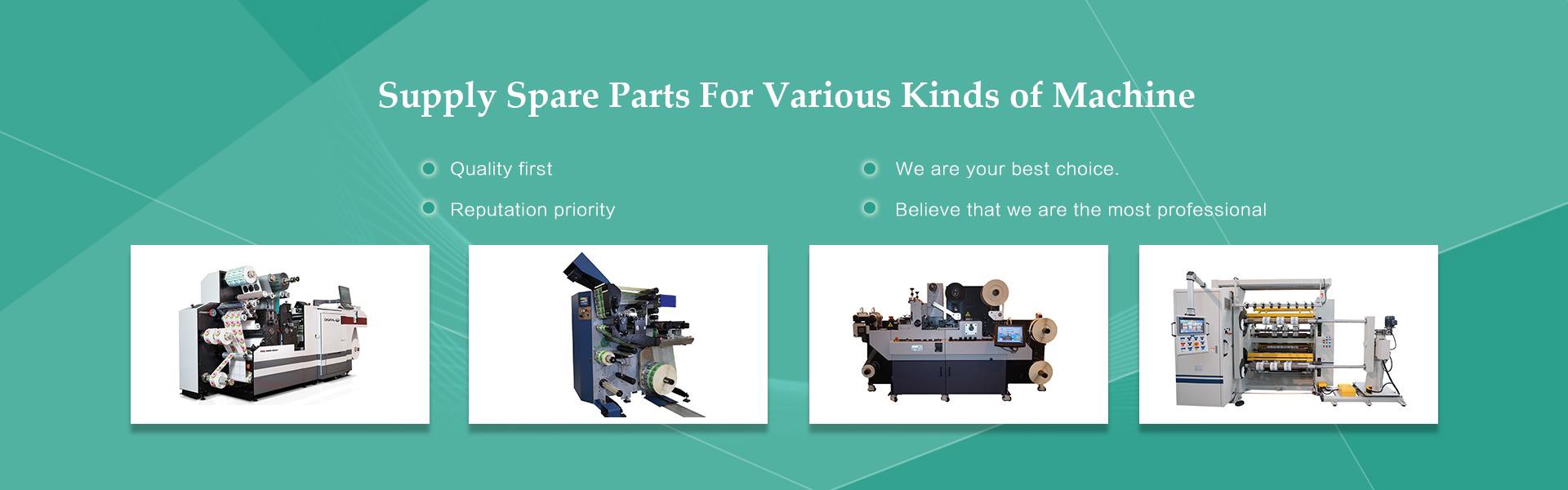
There are three common cutting methods:
1. Trimming: A variety of materials are combined to form process trimmings, and the process trimmings reserved in the cutting process are cut to obtain products that meet the process requirements. This slitting method is mostly used in the processing of composite films and other materials.
2. Cutting roll: The whole roll is cut into multiple rolls with narrow specifications through a high-speed circular knife. This slitting method is mostly used in the adhesive products industry.
3. Rolling: Cut large-diameter materials into multi-roll and small-diameter materials according to the requirements of the winding length and winding width specifications. This slitting method is mostly used in film substrates and flexible packaging color printing industries.
Slitting machine operation process
1. Operators must be trained before taking up their posts, and they must be familiar with the use of different slitters! Equipment performance and general maintenance methods. Non-personnel should not operate at will
2. Do a good job of labor protection before starting, prepare some auxiliary tools and materials for operation (knife adjustment tools, cardboard boxes, paper tubes, cutters, tape, etc. required for operation) and put them in a suitable position on the machine.
3. Make sure that the equipment is in a safe state, turn on the electrical and pneumatic switches, check whether the circuit is lacking in phase and that the gas path is unblocked. Test run the machine to see if the electrical, pneumatic, and mechanical equipment is operating normally. Whether the mechanical protection facilities are complete. Prevent crushing, scratching, or bringing in rotating gears, chains, rollers, etc. during operation
4. Knife adjustment: Adjust the exact knife distance according to the requirements of the job, and pay attention to the direction of the knife edge. If necessary, remove the bottom knife and re-arrange the knife. If the knife has a gap or is not sharp, repair and replace it.
5. Investigate the connection of static elimination facilities and the ground wire of the machine to ensure that the static electricity of materials is eliminated during operation. Lay waste paper under the machine to prevent dust absorption.
6. Pay attention to safety when loading. Push the material to a suitable position to inflate. Note that the direction of rotation of the material cannot be reversed.
7. Paper insertion and opposite edge: Pass the material from unwinding to rewinding according to the direction set by the equipment, and adjust the correction position for edge alignment. When cutting, make sure that there is glue on both sides of the finished product. Pay attention to correcting when feeding stroke. Be sure to go up to the middle of the correction stroke, pay attention to one side of the deviation when running, and the edge will not be cut when the stroke is exceeded.
8. Put the paper tube required for the job on the take-up reel and align the material. Those who need to apply double-sided tape must attach double-sided tape, adjust the proper winding tension and unwinding tension, and perform trimming and winding.
9. During the rewinding process, the quality of the product must be strictly inspected, and inferior or waste products and other stolen goods or edge strips must not be rolled into the product, and the number of meters must be strictly controlled.
10. When unloading the machine during shutdown, support the material with one hand and pull the product out of the inflatable shaft. The material on the photo spray painting surface must be covered with gloves, and no fingerprints should be left on the product.
11. According to the production requirements, make the corresponding perfect packaging, including labeling and packing paper or film, sealing and batch numbering, etc.
12. After shutdown, turn off the power and air supply, and perform necessary cleaning and maintenance on the machine. Do not scrape the roller with a knife as much as possible. Wipe the glue on the equipment with a solvent.
13. In the event of a problem during the operation, in principle, stop processing. If you cannot stop processing, you must slow down and handle it carefully.