Tel: +86-134-31394972
E-mail: sales@pre-webguidesystem.com
Tel: +86-134-31394972
E-mail: sales@pre-webguidesystem.com

1. What should I do if the photoelectric automatic guide system does not respond? It should be that the electric eye is broken, you have spare, there is a change to try.
2. The working principle of three guide systems for photoelectric guide, ultrasonic guide and visual guide? What are their advantages and disadvantages? Photoelectric guide is applied to the guide of opaque materials. Ultrasonic rectification is applied to opaque, translucent, transparent material rectification, and visual rectification can be applied to the guiding of various materials.
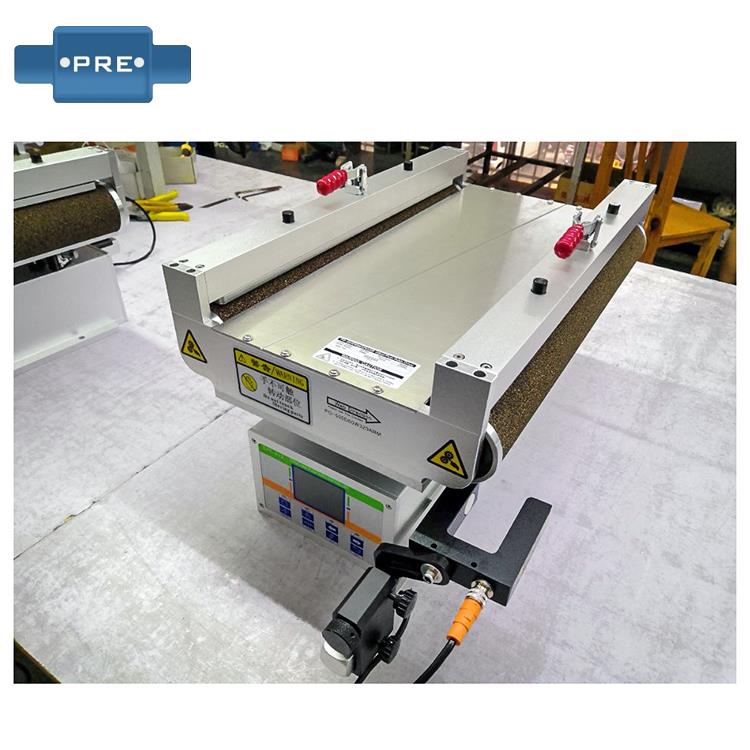
3. What is the difference between the function of single electric eye and double electric eye in photoelectric guide control system? Double electric eye photoelectric rectification is to solve the problem of soft and easy-to-deformation material guide, that is, to correct the deviation based on the center line of the material, single electric eye, only for the fixed side we guide environment.
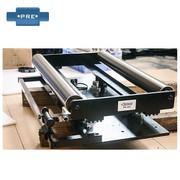
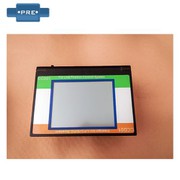
4. Composition of photoelectric guide device? Can the photoelectric guide device prevent the film from being moved? What are the components of the photoelectric guide device? The photoelectric guide device includes: a guide controller, an actuator and a sensor.
Working principle: The sensor detects the deviation of the material, and then transmits the signal to the controller. The controller then guides the pusher to work. The pusher solves the offset of the material by adjusting the rack. The total feed rack is generally Photoelectric web guide can be used within the weight of three tons. Photoelectric hydraulic guide is recommended for more than three tons.
5. What is the principle of photoelectric guide? During the material winding process, the position of the edge or line is detected by the photosensor to pick up the edge or line position deviation signal. Then, the position deviation signal is transmitted to the photoelectric guide controller for logic operation, and a control signal is sent to the mechanical actuator to drive the mechanical actuator to correct the serpentine deviation of the material during operation to ensure linear motion of the material.