Tel: +86-134-31394972
E-mail: sales@pre-webguidesystem.com
Tel: +86-134-31394972
E-mail: sales@pre-webguidesystem.com
1. Pitting corrosion Pitting corrosion, also known as pore corrosion, is a localized corrosion pattern in which a needle-like, point-like, or hole-like shape is produced on a metal. Pitting corrosion is a unique pattern of anode feedback. It is an autocatalytic pass, that is, the corrosion caused by the corrosion in the pitting hole is promoted and sufficient to maintain the corrosion.
2. Uniform Corrosion In the solution of phosphoric acid and sodium hydroxide, the oxide film on the aluminum dissolves, and uniform corrosion occurs, and the dissolution rate is uniform. The temperature of the solution increases, the concentration of the solute increases, and the corrosion of aluminum is promoted.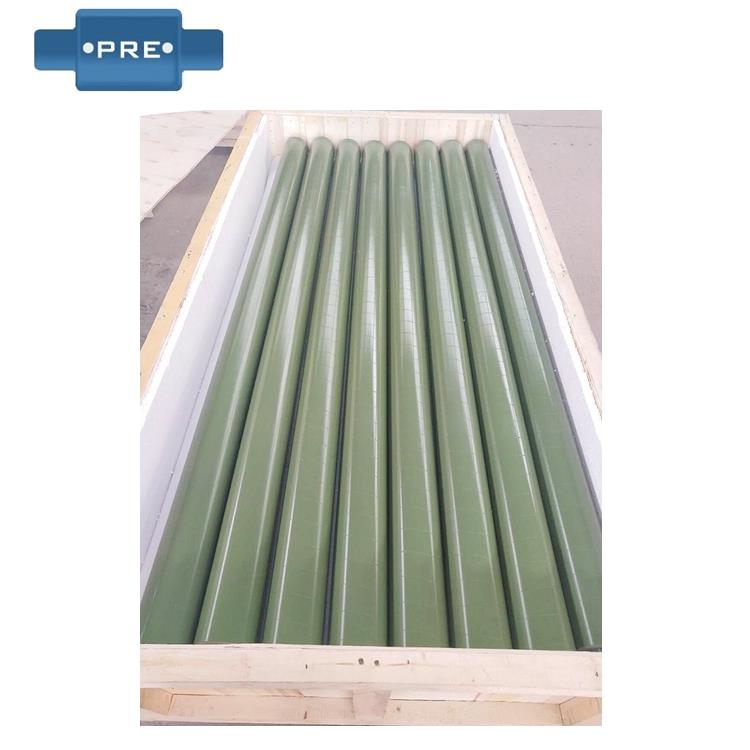
3. Crevice Corrosion Crevice corrosion is a localized corrosion. The metal component is in the electrolyte solution because the metal and the metal or the metal and the non-metal have a gap which is wide enough to make the medium immersed and the medium is in a stagnation state, so that the phenomenon of corrosion inside the gap is called crevice corrosion.
4. Stress Corrosion Cracking (SCC) The SCC of aluminum alloys was discovered in the early 20th century. A failure of a metal under the combined effect of stress (tensile or internal stress) and corrosive media is called SCC. SCC is characterized by the appearance of corrosion-machine cracks that can develop along grain boundaries as well as through grain expansion. Because the crack expansion is inside the metal, the strength of the metal structure is greatly reduced, and sudden damage occurs in severe cases. SCC will only happen under certain conditions, they are:
1. The quality of the casting through the pores is not good.
2. The surface bubble ingot has high hydrogen content and loose structure; the surface of the ingot has uneven surface on the dirty surface, and there is no wiping before the furnace is installed; after the etch, the surface of the ingot and the aluminum plate has etched residue; the heating time is too long Or the temperature is too high, the surface of the ingot is oxidized; when the first welding is rolled, the emulsion nozzle is not closed, and the emulsion flows under the aluminum-clad plate.
3. Cracking of the ingot The amount of pressing during hot rolling is too large, cracking from the end of the ingot; the heating temperature of the ingot is too high or too low.
4. The mechanical properties are not qualified. The heat treatment system is not properly implemented or the heat treatment equipment is not normal, the air circulation is not good; the quenching fashion material is large, the salt bath temperature is not enough for the fashion furnace, the holding time is insufficient, and the furnace is not heated up to the limit temperature; the heat treatment adopted by the laboratory The system or test method is incorrect; the sample size is not correct and the surface of the sample is destroyed.
5. Ingot slag casting quality is not good, metal or non-metal residue is sandwiched in the plate.
6. The torn lubricating oil component is unqualified or the emulsion is too thick, the sliding between the sheet and the roll is generated, the metal deformation is uneven; the rolling rate is not controlled, the pressing amount is too large; the rolling speed is too large; the winding tension is not adjusted Correct, the tension is unstable; the annealing quality is not good; the metal plasticity is not enough; the roller type is not handled correctly, the internal stress of the metal is too large; the hot rolling reel is cracked; the lubrication is not good during rolling, and the friction between the strip and the roll is too large; If the feeding is not correct, the tensile stress will be generated on the side of the strip, and the compressive stress will be generated to make the edge produce a small crack. After rolling again, it will continue to grow from the crack and even tear; when the stretching machine is clamped incorrectly or Unevenness, or cracks in the sheet, tearing when stretched; when quenching, the pocket is not well or too tight, causing the sheet to fracture, causing tearing when stretched and straightened.
7. Too thin The amount of reduction is not correct; the thickness gauge is faulty or improperly applied; the roller type is not handled correctly.
8. Folding (folding) The roll type is not correct. For example, the calender bearing heats up, so that the two ends of the roll are swollen, and the plate which is pressed out is thick and thin on both sides; the plate wave before the calendering is too large, so that the calendering amount is too large. Therefore, the pressure folding occurs; when the thin plate is pressed, the feeding is not easy to generate the folding; the thickness difference between the two sides of the plate is large, and the folding is easy to occur.
9. Rolls, roller tables, scissors machines, etc. of non-metal press-in hot rolling mills are not cleaned, and the dirt is dropped on the pallet belt after processing, and is presented by rolling; the rolls, guide rolls and three rolls of the cold rolling mill are straightened. The parts of the contact plate with the machine, coiler, etc. are not clean, and the dirt is pressed in; the rolling oil nozzle is blocked or the pressure is low, and the non-metallic dirt adhered on the surface of the plate cannot be washed; the emulsion replacement is not timely. The aluminum powder is not cleaned and the emulsion tank is not cleaned.
10. The high temperature meter of the overheating equipment is not accurate; the temperature of each area of the furnace is not uniform; the heat treatment system is not implemented correctly, the metal heating temperature is high or exceeds the metal overheating temperature; the loading is not properly placed, and the place near the heater may be partially localized. burn.
11. After the metal is pressed into the heating, the metal scraps fall on the strip and are rolled; after the hot rolling, the roller has fewer passes, and the cracked metal falls on the strip; the quality of the cut edge of the disc is not good, and the edge of the strip is not good. There is a burr, the compressed air does not blow off the metal scrap on the surface of the strip; after the roll is glued to the aluminum, the stick is pressed against the strip; the guide is clamped too tightly, and the scraped scrap falls on the board.
12. The wave roller type is not adjusted correctly, the original roller type is not suitable; the plate shape control system is faulty or improperly applied; the original shape of the cold rolled wool is poor or the crown is too large; the process parameters such as reduction ratio, tension and speed are selected. Improper; all types of straightening machines are not well adjusted, the gap between the straightening rolls is different, so that the thin side of the sheet produces waves; for the stretch straightening and straightening straightening machine, the elongation is not properly selected.
13. After the corrosion plate is quenched, washed and dried, the surface remains with acid, alkali or nitrate traces. After a period of time, the plate will be corroded; the strip is improperly stored, and water drops on the surface; Counseling materials for contact with products, such as kerosene, rolling oil, emulsion, packaging oil, etc., may cause corrosion due to moisture or alkali; the temperature of the coil is too high during packaging, or the packaging is not good, and the transportation is damaged. .
14. Scratch the hot rolling mill roller, the guide plate is glued to aluminum, so that the hot plate is scratched; the cold rolling mill guide plate, pinch roller, etc. have protruding sharp corners or sticky aluminum; the finishing machine is processed by the guide road; When packing, lift the sheet improperly.发送反馈
Previous: What Are The Maintenance Procedures For Aluminum Roller?
Next: The Advantages And Structure Classification Of Aluminum Roller