Tel: +86-134-31394972
E-mail: sales@pre-webguidesystem.com
Tel: +86-134-31394972
E-mail: sales@pre-webguidesystem.com
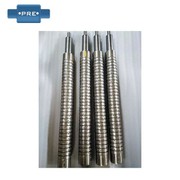
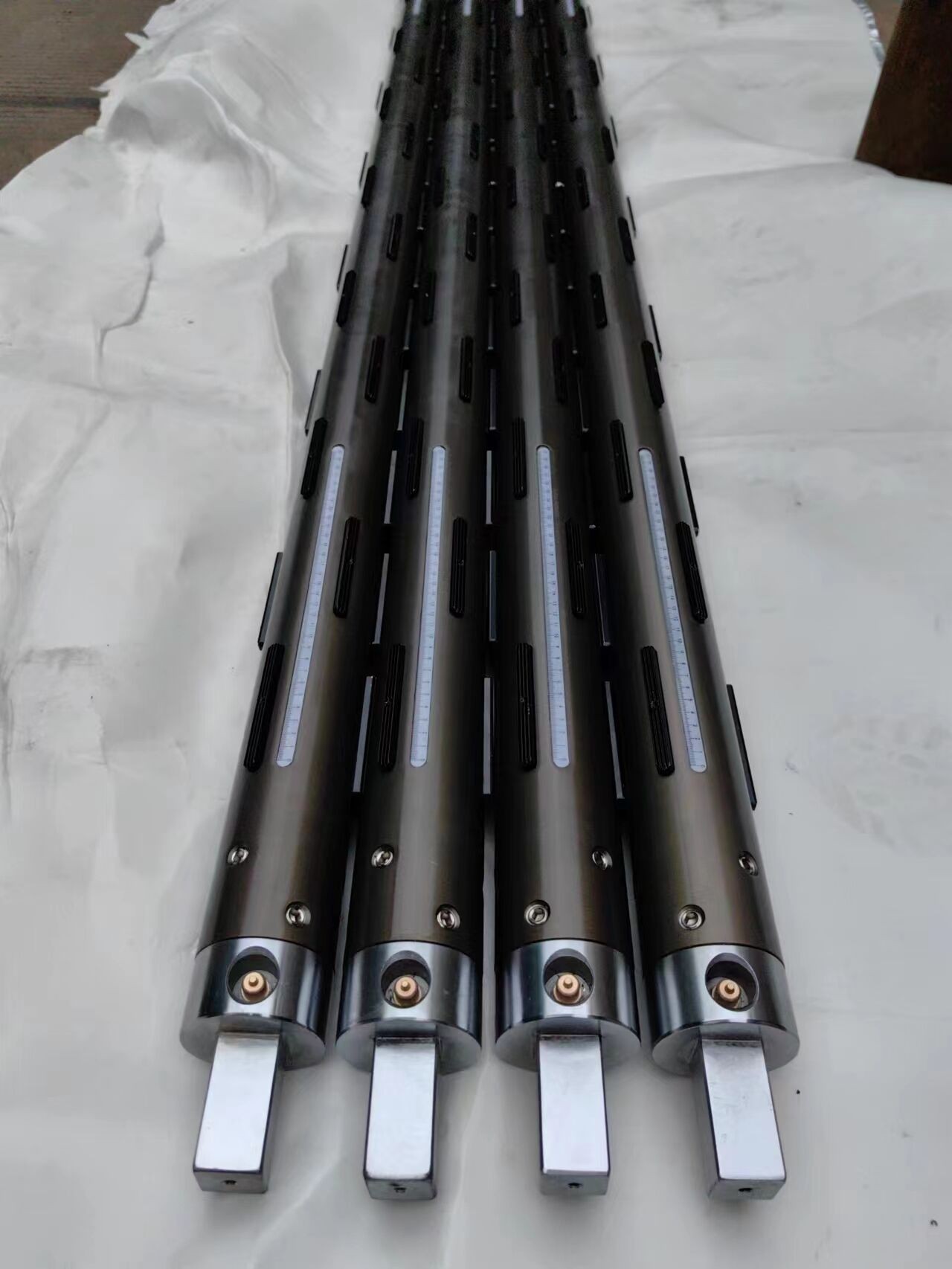
The pneumatic expanded shaft is mainly composed of several parts, such as the shaft body, air valves, key strips (or expansion elements such as aluminum tiles and rubbers), sealing parts and supporting parts. The life of the inflatable shaft mainly depends on the maintenance level of the core components (air bags, air valves, seals) and their adaptability to the working environment.
Internal maintenance of core expanding shafts: Focus on tightness and bearings.
For the internal maintenance of the inflatable shaft, it is important to pay attention to its tightness and the condition of the bearing. Seals are the first line of defense against dust and moisture entering the inside of the shaft. Check the seal for wear or aging and replace it on time to ensure a good sealing effect. At the same time, as a key component to support rotation, bearings also need to be regularly inspected and lubricated to reduce wear and extend service life. It is recommended to use high-quality lubricants and to follow the manufacturer's recommended intervals.
Seal Gap Repair:
Causes: Improper installation or aging and wear of the seals, etc.
Repair method: Reinstall the seal, make sure it is in place, and then pour a ring of sealant around the seal to enhance the seal.
According to the actual needs, choose the appropriate material as the sealing part of the inflatable shaft:
(1) Nitrile butadiene rubber (NBR)
Characteristics: Excellent oil resistance, good resistance to lubricating oil, hydraulic oil, etc., and has certain wear resistance and elasticity.
Application Scenario: Suitable for inflatable shafts in common industrial environments, such as printing and packaging, textile industry, where it may be exposed to oil stains or require a medium-strength seal.
Advantages: low cost, cost-effective, stable sealing performance at room temperature (-40°C~100°C).
(2) Fluoroelastomer (FKM/VITON)
Characteristics: high temperature resistance (up to more than 200°C), chemical resistance (acid, alkali, solvent, etc.), strong oxidation resistance, high sealing reliability.
Application scenario: It is suitable for high-temperature environments or working conditions in contact with corrosive media, such as film blowing machines in plastic processing (high-temperature film winding), lithium battery separator production in the new energy field (may be in contact with electrolyte).
Advantages: long service life, can still maintain good sealing in harsh environments, but the cost is higher.
(3) Silicone rubber (VMQ)
Characteristics: high and low temperature resistance (-60°C~250°C), good elasticity, strong anti-aging ability, non-toxic and tasteless.
Application scenarios: The food packaging industry (where hygienic standards are required), the winding of medical materials, or the sealing of inflatable shafts in temperature-sensitive precision materials such as optical films.
Advantages: Good environmental protection, suitable for scenarios with high requirements for sealing and temperature resistance, but the wear resistance is slightly inferior to nitrile rubber.
(4) Polyurethane (PU)
Characteristics: Extremely strong wear resistance, wide range of hardness, good elasticity, tear resistance, high pressure resistance.
Application scenario: It is suitable for high-load, high-friction conditions, such as the inflatable shaft of heavy coils (paper machines, metal foils), or the need for frequent loading and unloading of coils.
Advantages: Outstanding wear resistance, which can reduce seal wear in long-term use, but slightly less weather and chemical resistance than fluoroelastomers.
(5) Polytetrafluoroethylene (PTFE/Teflon)
Characteristics: excellent chemical stability, resistance to strong acids, strong alkalis and various solvents, high temperature resistance (below 260 °C), very low friction coefficient.
Application scenario: It is used in the occasion of contact with strong corrosive media or high cleanliness requirements, such as special film winding in the chemical industry and the production of semiconductor materials.
Advantages: Virtually no reaction with any substance, long seal life, but poor elasticity, often used in combination with rubber materials (e.g. PTFE coated rubber seals).
Contact factory in Guangdong, China
(Over 20 years experience in air shaft production )
Previous: A Complete Set Of Maintenance Methods For Air Shaft Components
Next: Cantilever Air Expanding Shaft And Double-shaft Head Inflatable Shaft