Tel: +86-134-31394972
E-mail: sales@pre-webguidesystem.com
Tel: +86-134-31394972
E-mail: sales@pre-webguidesystem.com
What are the uses of photoelectric guiding machines?
In the lateral deviation control of the reel material, it can correct the deviation of various coil materials such as web film, metal foil, non-woven fabric and woven fabric. The controller can select the heel and follow-up methods according to the different materials, and freely select single/double electric eye detection to meet the needs of various materials.
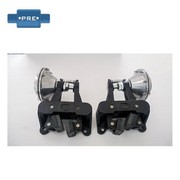
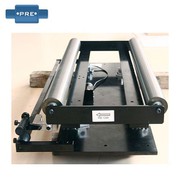
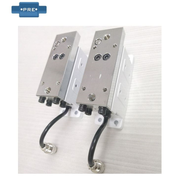
The photoelectric guiding machine adopts the opposite side and the line universal photoelectric correcting electric eye, supplemented by the imported driving device and the highly precise pusher to control the material of the reel and keep its edges and lines at a specified position at any time. The device is easy to operate, high precision, good stability, wide application range, suitable for different materials such as black, mirror, transparent film, aluminum foil, etc., can be applied to various printing machines.
It is also widely used in photographic film, insulating materials, medical tape, plastic packaging, textile, paper, printing and metal rolling industries, such as coating machines, laminating machines, slitting machines, quality inspection machines, rolling machines, printing Machines, bag making machines, artificial leather machines, wallpaper machines, metal strip rolling, galvanizing, and other machinery.
Photoelectric guide machine features:
1. Photoelectric guide is mainly used in the printing, packaging, paper, film, textile and other industries where it is necessary to control the curling.
2. The corrective response speed of photoelectric correction can be adjusted.
3, the photoelectric guide of the internal quantity of intelligent microcontroller control.
4, the photoelectric guide of the line and the heel customization.
5, photoelectric guide strip can provide single electric eye or double electric eye correction tracking.
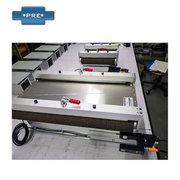
The photoelectric guide machine is an automatic control system for controlling the positional deviation of thin materials during high-speed transmission or due to mechanical pulling force, and has functions of automatic detection, automatic tracking, and automatic correction.