Tel: +86-134-31394972
E-mail: sales@pre-webguidesystem.com
Tel: +86-134-31394972
E-mail: sales@pre-webguidesystem.com

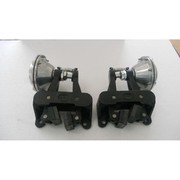
The hot metal detector belongs to a photodetection device for identifying the leading edge and direction of hot metal motion. It uses a thermopile sensor as a detection device, combined with the 锗 lens imaging principle, to achieve hot metal detection. The hot metal detector includes a photoelectric conversion line, an electronic switch comparison output line, and an electronic compensation line.
Hot metal detector
Hot metal detector design features: Infrared switch, which is generally sealed by epoxy resin in stainless steel sleeve, is durable. It must be designed so that it is not affected by the heavy industrial environment of steam, water, dust, shock, vibration and oil. Its temperature compensation system can handle extremely variable temperature environments. It also has an internal test circuit that can be pre-checked before formal inspection.
It can be designed as an integrated device or with a remote fiber lens system. With water-cooled or air-cooled sleeves, it can also work in high temperature environments. It is also possible to rotate the carriage to freely rotate the detector in a plurality of different axial directions.
The working principle of the hot metal detector: the lens transmits the infrared heat radiation emitted by the measured object to the photoelectric conversion line and converts it into an electrical signal and amplifies it and sends it to the electronic switch comparison line. When the radiation amount reaches the trigger point (you can set different temperature triggers by yourself) Point, adjust the optimal temperature effect), the electronic switch output line is triggered.
At the same time, the specially designed electronic compensation circuit can compensate for the changes caused by the high temperature environment and the aging of the device, without manual adjustment, and can work continuously and reliably under harsh environment.
Previous: How Much Do You Know About The Working Principle And Characteristics Of Hot Metal Detectors?
Next: What Are The Countermeasures For Signal Interference Of Industrial Hot Metal Detectors?