Tel: +86-134-31394972
E-mail: sales@pre-webguidesystem.com
Tel: +86-134-31394972
E-mail: sales@pre-webguidesystem.com
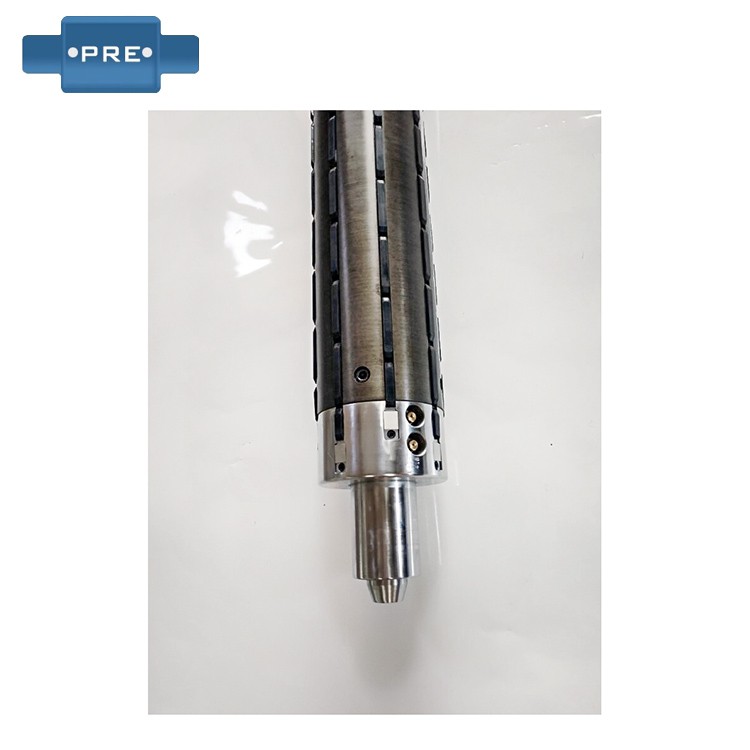
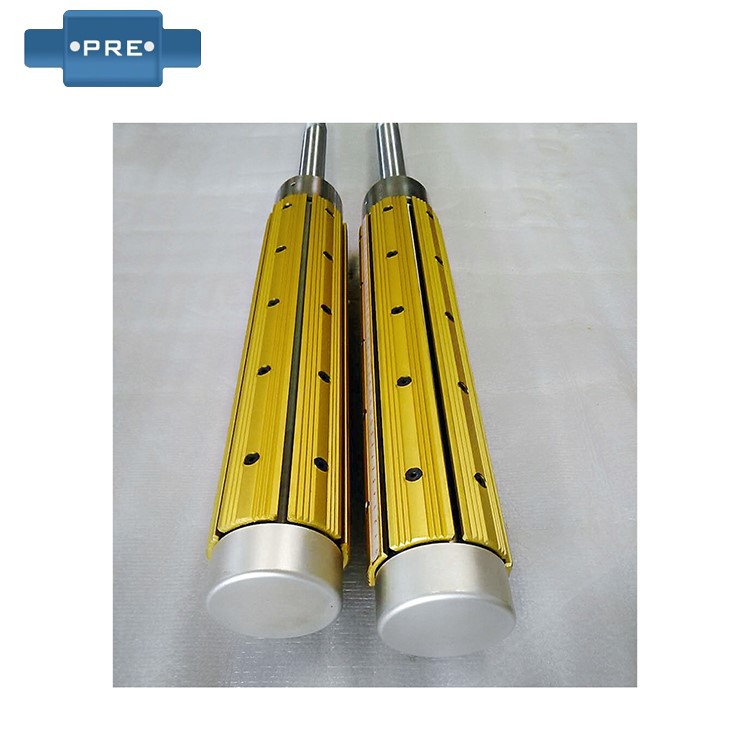
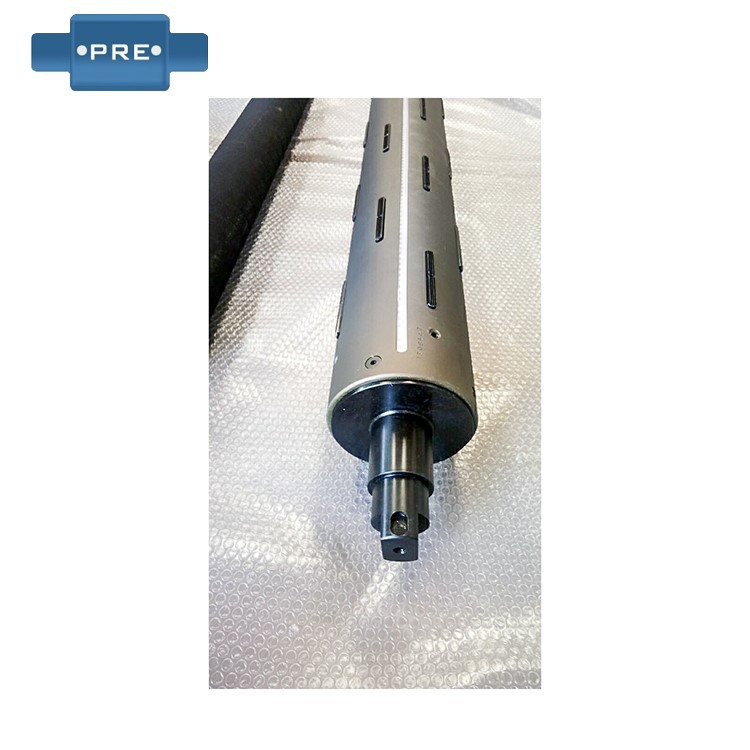
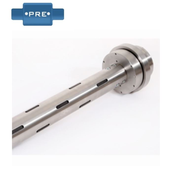
Problems that are often encountered in the maintenance of inflatable shafts are:
Airbag breakage and aging: Airbags are a key component of the inflatable shaft, which is prone to breakage, aging and air leakage after long-term use. Breakage may be caused by frequent inflation and deflation, external force extrusion, and fatigue of the airbag material. Deterioration will lead to a decrease in the elasticity of the airbag and a deterioration in sealing performance.
Shaft core deformation and wear: During long-term use of the inflatable shaft, due to the large torque and pressure, the shaft core may be deformed, resulting in the concentricity and straightness of the inflatable shaft as a whole. At the same time, the matching parts of the shaft core and other components are also prone to wear, such as keyways, bearing positions, etc., which will affect the transmission accuracy and stability of the inflatable shaft.
Seal failure: Seals for inflatable shafts are used to prevent gas leakage, common seals include O-rings, oil seals, etc. With the increase of service time, the seal will lose its sealing performance due to aging, wear, deformation and other reasons, resulting in air leakage of the inflatable shaft and affecting its normal operation.
Gas path blockage and leakage: The gas path system of the inflatable shaft includes air pipes, air valves, valves and other components, and the gas path may be blocked during use, resulting in the inability of gas to flow normally and affecting the inflation and deflation speed of the inflatable shaft. At the same time, the connection of the air path is also prone to leakage, resulting in unstable air pressure.
After the air expanding shaft has been repaired, the commissioning process is crucial to whether it can be put into service properly and its service life in the future. The specific debugging steps are as follows:
(1) Visual inspection: check whether the installation of the inflatable shaft is in place, whether the parts are tightly connected, and whether there is looseness, deformation or damage. In particular, it is necessary to check the connection parts such as air valves and trachea to ensure that the installation is firm and there is no hidden danger of air leakage. At the same time, check whether the surface of the shaft is smooth, and whether there are residual debris or maintenance marks, so as not to affect the retraction and release of the coil.
(2) Inflation test: slowly open the air source valve and inflate the inflatable shaft. In this process, closely observe the expansion of the inflatable shaft to ensure that it expands uniformly, without local bulging or abnormal deformation, and use a pressure gauge with high accuracy to detect the inflation pressure to confirm whether the pressure can stably reach the specified working pressure value. Generally speaking, the working pressure of the inflatable shaft varies according to the specifications and uses, and the common one is between 0.5 - 0.8MPa, which needs to be adjusted according to the specific equipment requirements. At the same time, carefully check the air valve, air bag, tracheal joint and other parts to see if there is any air leakage, if there is air leakage, it will be manifested as the pressure can not be stably maintained or there is an obvious "hissing" sound, at this time, it is necessary to check and repair the air leakage point in time.
(3) Operation test: first carry out the no-load operation test, start the equipment, let the inflatable shaft rotate for a period of time without load, observe whether its rotation is stable, whether there is stagnation, runout or abnormal noise, under normal circumstances, the inflatable shaft should be able to rotate smoothly, and the noise is low, if there is an abnormality, it may be caused by bearing damage, incorrect shaft core installation or interference of other components. At this time, it is necessary to stop the machine for inspection and troubleshooting, and then carry out the load operation test, install the coil on the inflatable shaft, simulate the actual working state, check the performance of the inflatable shaft in the winding or unwinding process, and observe whether the coil is neat and the tension is uniform. If the coil is not rewound neatly, it may be that the surface of the inflatable shaft is uneven or the pressure at both ends is inconsistent; If the tension is uneven, the tension control system needs to be adjusted, and the pressure distribution of the inflatable shaft should be checked to see if the pressure distribution is uniform and whether the transmission parts are normal.
(4) Accuracy calibration: For some equipment with high requirements for winding accuracy, accuracy calibration is also required. For example, use a measuring tool to detect the winding diameter, flatness and other parameters of the coil, compare it with the standard requirements of the equipment, and if there is a deviation, it is necessary to further adjust the position, pressure or relevant parameters of the equipment of the inflatable shaft, and debug it to meet the specified accuracy standards.
(5) Safety inspection: During the commissioning process, it is necessary to ensure that the safety protection device of the inflatable shaft is complete and effective, and check whether the stoppers and protective fences at the end of the shaft are installed in place to prevent the coil from slipping and injuring people during operation. At the same time, check whether the emergency stop button of the device is working properly to deal with emergencies.
How long is the service life of an air expanable shaft?
(1) Life in high-frequency use scenarios
If the shaft is used continuously and frequently in industrial production, such as on a rewinder in a large paper mill or a plastic film producer, with multiple shifts per day and frequent winding and unwinding operations, its service life may be relatively short. In general, in this case, the shaft may experience significant wear or deterioration in performance after about 2-3 years. This is because frequent inflation and deflation operations will fatigue the airbag material, and the mechanical structure of the shaft body will also be worn due to long-term rotation and stress.
(2) Lifetime in low-frequency usage scenarios
For some small businesses or intermittent production occasions, the air shaft is used less frequently, and may only be used once a week or even once a month. In this case, the service life of the air shaft is greatly extended, and it is possible to use it for more than 10 years with good maintenance. Because the air shaft has enough time to recover between uses, fatigue accumulation of components is reduced.
(3) Life in harsh environments
In a working environment with high temperature, high humidity, highly corrosive gases or a lot of dust, the service life of the air shaft will be seriously affected. For example, in the chemical industry, when the air shaft is exposed to corrosive chemical gases, the metal material of the shaft may be corroded, and the air bag may also be damaged by the erosion of chemicals. In this case, the service life of the air shaft may only be 1-2 years, or even less.
(4) Life in a good environment
In a relatively clean working environment with suitable temperature and humidity, such as in the electronic material production workshop (with good temperature and humidity control and clean environment), the air shaft is less disturbed by environmental factors, and its service life will be longer, generally reaching about 5-8 years.
Contact factory in Guangdong, China
(Over 20 years experience pneumatic expanding shafts production )