Tel: +86-134-31394972
E-mail: sales@pre-webguidesystem.com
Tel: +86-134-31394972
E-mail: sales@pre-webguidesystem.com
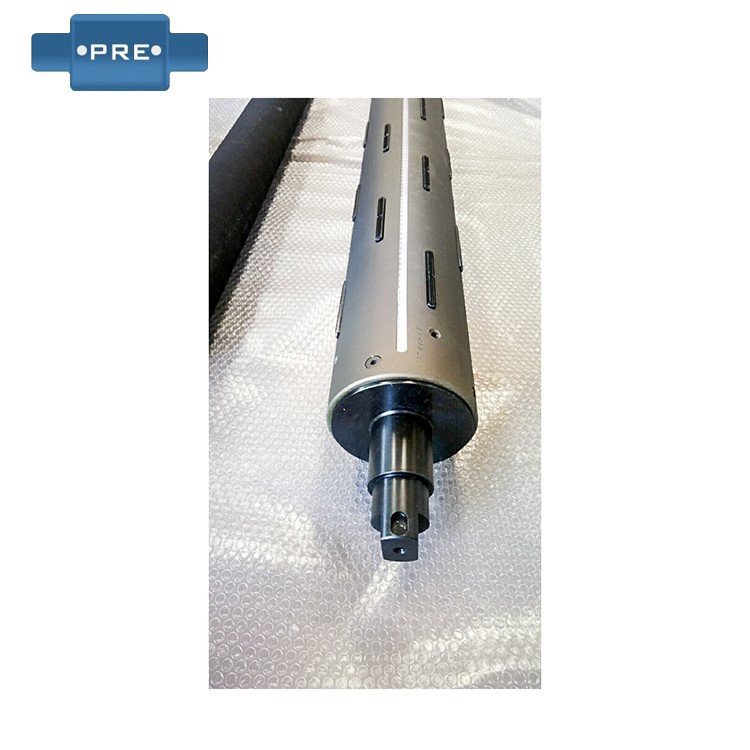
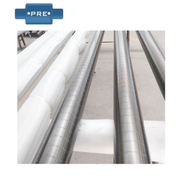
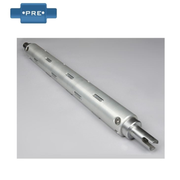
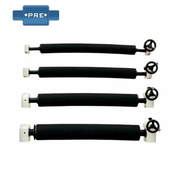
The pneumatic expanding shaft is powered by high-pressure gas, and the shaft with a convex surface is controlled by inflation and deflation to achieve the surface expansion and tension control of the shaft. The inflatable shaft is used in the special rewinding and unwinding equipment, which is convenient for loading and unloading, saving time and improving work efficiency, and is widely used in packaging, printing, papermaking and other industries.
From the analysis of its own conditions and the specifications and parameters of the inflatable shaft, the load requirements are clarified:
(1) Calculate the weight of the coil: First of all, it is necessary to accurately calculate the weight of the coil, which involves the material, size and other factors of the coil. For common rolls, such as paper, film, cloth, etc., the weight can be calculated based on its density and volume. For example, the weight of a paper can be calculated by its area, grammage (weight per square meter); The weight of film and cloth is calculated in a similar way, knowing its area, thickness and density of the corresponding material. If the coil is wound in multiple layers, the effect of the number of layers on the weight should also be considered.
(2) Consider the additional weight: In addition to the weight of the coil itself, other additional weights should also be considered, such as the weight of the core and the weight of the packaging material that may exist. The weight of a core is usually determined by its material (e.g., paper, plastic, or metal) and size. The weight of the packaging material, if any, should also be estimated and included in the total load.
(3) Working environment: Factors such as temperature and humidity of the working environment will also have an impact on the bearing capacity of the inflatable shaft. For example, in a high-temperature environment, the material properties of the inflatable shaft may deteriorate, resulting in a decrease in load-bearing capacity; Humid environments may cause rust on shafts, affecting their strength and service life. Therefore, in the harsh working environment, the use load of the inflatable shaft should be appropriately reduced to ensure its safe and reliable operation.
(4) Rated load capacity: The rated load capacity of the inflatable shaft will be clearly given in the product manual or technical specification. This is the maximum weight that an inflatable shaft can safely carry under normal operating conditions. When selecting an inflatable shaft, ensure that its rated load capacity is greater than or equal to the sum of the calculated coil and additional weight.
Shaft diameter and length: The shaft diameter and length of an inflatable shaft also affect its load-bearing capacity. Generally speaking, the larger the shaft diameter, the stronger the bearing capacity; A shorter inflatable shaft may have a higher load-bearing capacity than a longer inflatable shaft with the same shaft diameter, as the shorter shaft is less prone to deformation when stressed. At the same time, different shaft diameter and length combinations are suitable for different coil sizes and weights, and it is necessary to choose the appropriate specifications according to the actual situation.
Consider working conditions
(5) Speed: If the inflatable shaft works under high-speed operating conditions, the centrifugal force will increase the load of the shaft and reduce its actual bearing capacity. Therefore, for an inflatable shaft running at high speed, its load-bearing capacity needs to be corrected according to the rotational speed. In general, the higher the rotational speed, the smaller the correction factor, i.e. the actual allowable weight will be lower.
Analysis of the type of purchase from the inflatable shaft:
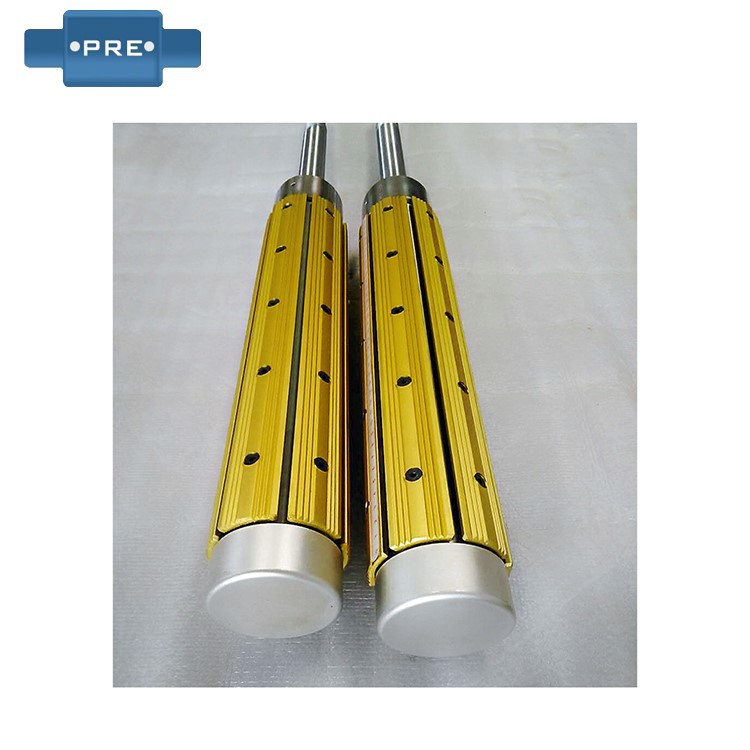
(1) Keybar inflatable shaft(lug type air expanable shaft):
Advantages: Metal keying strip (steel) is used, which has high rigidity and strong bearing capacity, and is suitable for heavy-duty scenarios (such as metal foil, heavy-duty paper). It ensures stable operation of the equipment under high loads and avoids downtime due to shaft deformation.
Disadvantages: If used in light-duty equipment, it may lead to waste of resources (too costly); If it is used in a scenario where its load-bearing limit is exceeded, it is easy to cause damage to the shaft or coil.
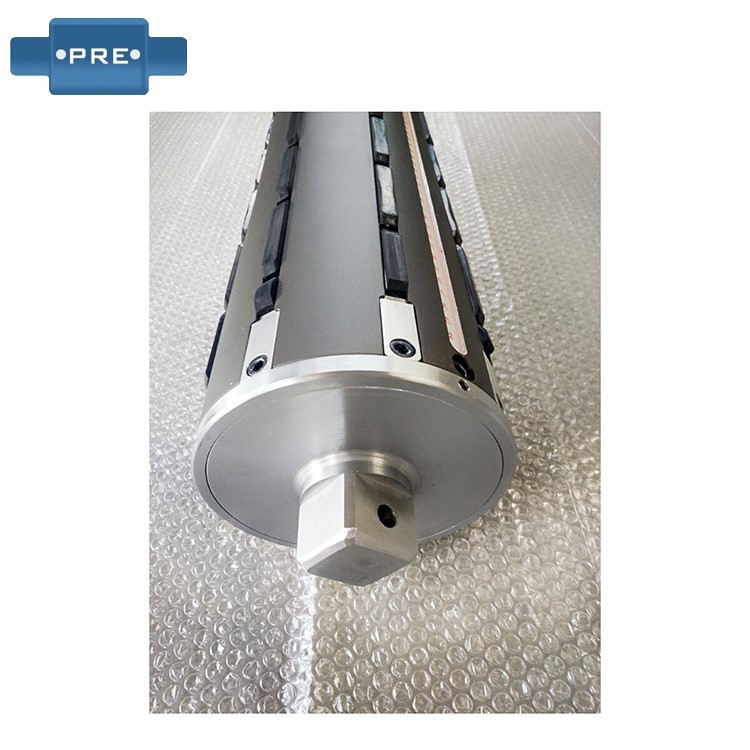
(2) Through-key inflatable shaft(multi bladder type air expanding shaft):
Advantages: The combination of rubber strips and aluminum keys takes into account light to medium loads, and is suitable for equipment with frequent roll changes (such as printing machines, textile machines). The aluminum key transmits torque, and the rubber provides elasticity to adapt to different diameter coils.
Disadvantages: It is not suitable for overweight coils (such as metal coils), otherwise it is easy to cause rubber strip wear or aluminum bond deformation.
(3) Plate/corrugated inflatable shaft(leaf type core shaft):
Advantages: The corrugated structure increases the contact area, is suitable for wide and thin materials (such as cardboard, film), evenly distributes the pressure, and prevents the deformation of the coil.
Disadvantages: However, heavy loads of more than 1 ton will cause the corrugated structure to be flattened, reducing the gripping capacity, so it needs to be carefully selected.
Contact factory in Guangdong, China
(Over 20 years experience pneumatic expanding shafts production )