Tel: +86-134-31394972
E-mail: sales@pre-webguidesystem.com
Tel: +86-134-31394972
E-mail: sales@pre-webguidesystem.com
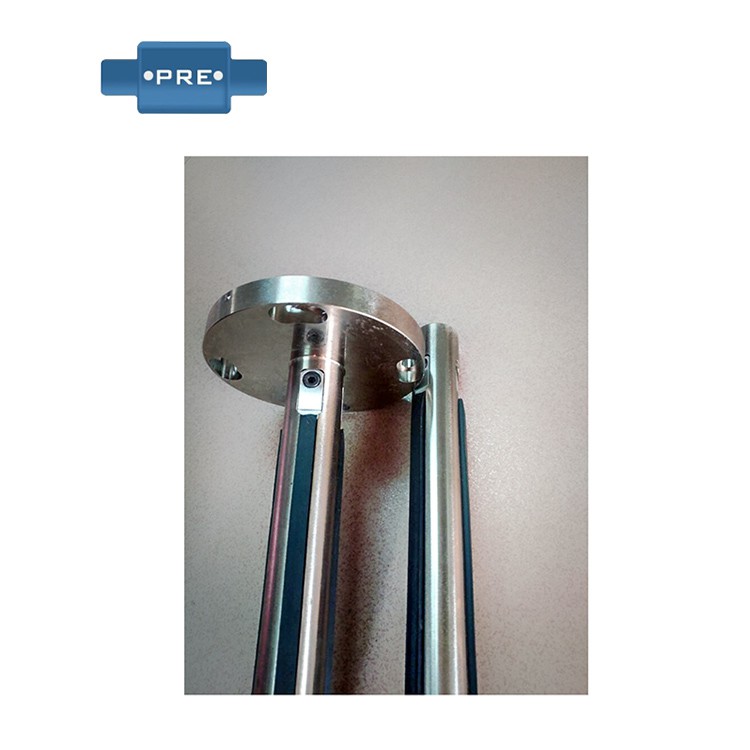
1. Preparation before installation
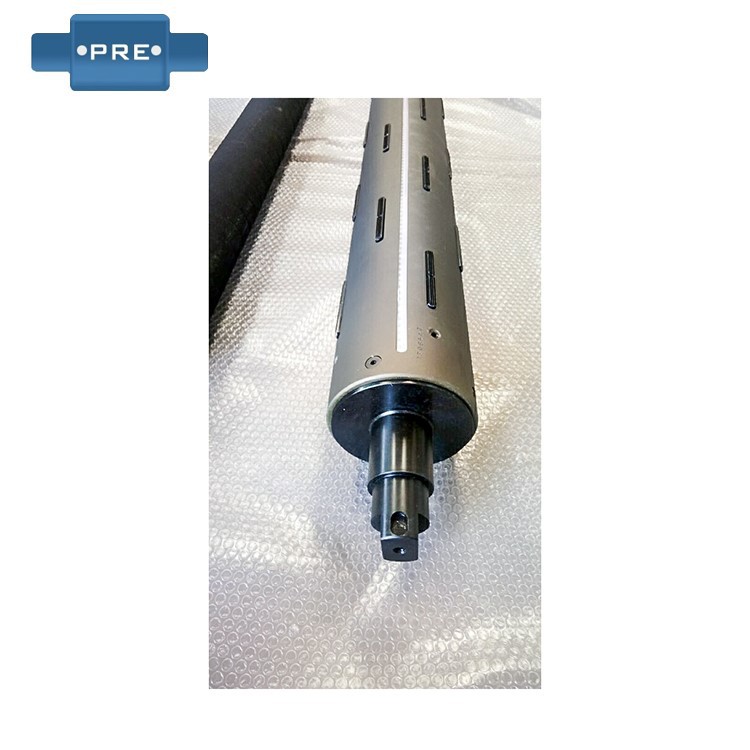
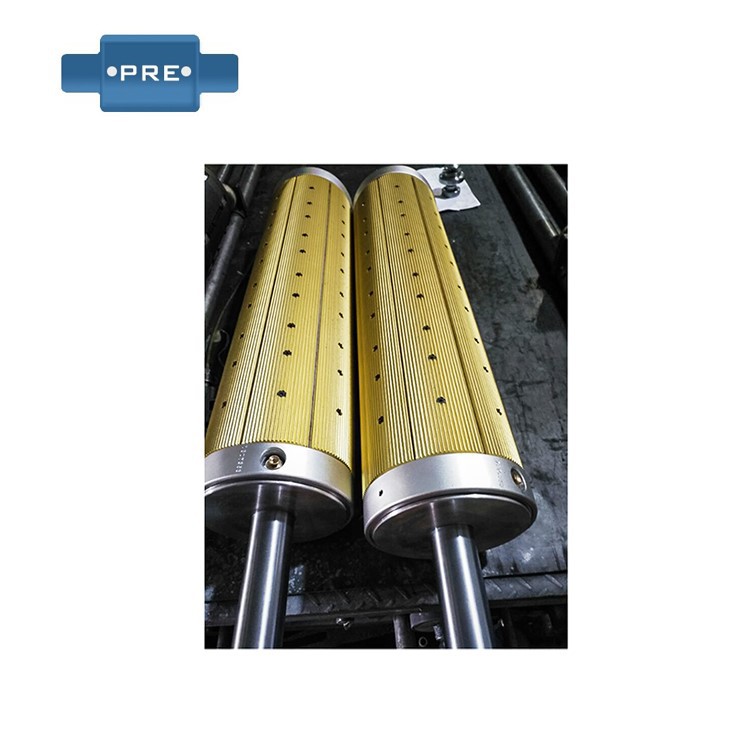
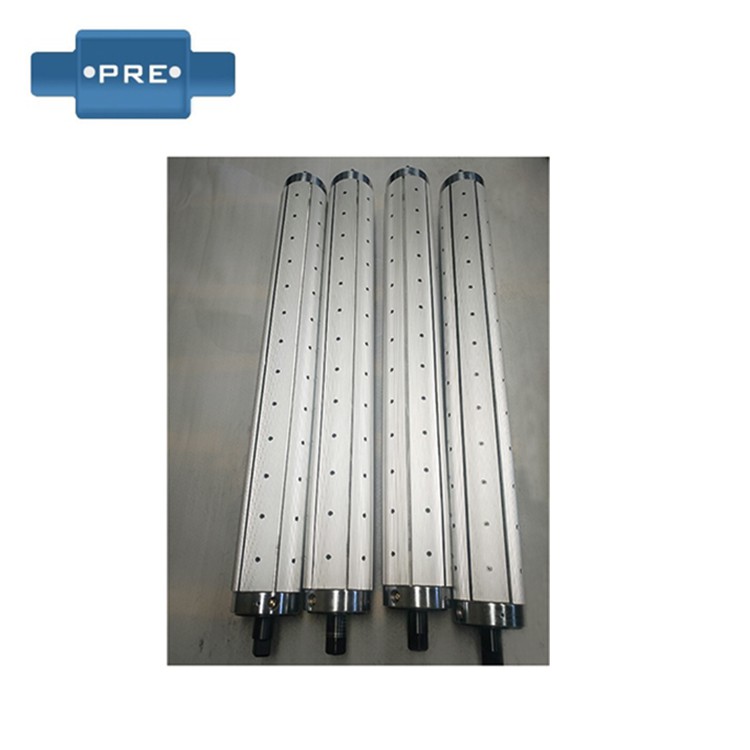
1) Check the expansion air shaft and related accessories: Before installing the inflatable shaft, you need to carefully check whether the shaft body, airbag, air valve and other parts of the inflatable shaft are intact. Check whether the airbag is damaged, leaking, etc., and whether there are scratches and deformations on the surface of the shaft. At the same time, check whether the air valve is blocked or damaged to ensure that it can be connected to the air source normally.
2) Check whether the specifications and models of the inflatable shaft are consistent with the requirements of your equipment: including shaft diameter, length, bearing capacity and other parameters to ensure that the inflatable shaft can meet the needs of the equipment. Check whether the relevant accessories are complete, such as sealing rings, gaskets, bolts, etc. Ensure that the quality and specifications of these accessories meet the requirements so that they can be used correctly during installation.
3) Prepare installation tools and equipment: According to the installation requirements of the inflatable shaft, prepare the corresponding installation tools, such as wrenches, screwdrivers, jacks, etc. Ensure that these tools are of good quality and performance to meet the needs of the installation. If installation is required on the equipment, make sure the equipment is in a shutdown state and take appropriate safety measures, such as cutting off the power supply, locking the equipment, etc., to prevent accidents.
2. Precautions during installation
1) When installing the pneumaitc expanded shaft, make sure that the shaft body is accurately aligned with the installation position of the equipment. Use a jack or other lifting equipment to place the inflatable shaft smoothly in the mounting position to avoid tilting or collision of the shaft body.
2) According to the installation requirements of the equipment, use bolts, nuts and other fasteners to fix the inflatable shaft on the equipment. When tightening bolts, it is necessary to pay attention to uniform strength and avoid being too tight or too loose. At the same time, it is necessary to check whether the installation of the inflatable shaft is firm and there is no loosening.
Connect the air supply
3) The normal operation of the inflatable shaft requires the connection of an external air source. When connecting the air source, it is necessary to ensure that the connection between the air valve and the gas source pipeline is tight and leak-free. Special tubing fittings and seals can be used to ensure a reliable connection.
Adjust the pressure of the air source according to the working pressure requirements of the inflatable shaft. Generally speaking, the working pressure of the inflatable shaft is between 0.4-0.8MPa, and the specific pressure value can be adjusted according to the requirements of the equipment. When adjusting the pressure, use a pressure gauge to monitor it to ensure that the pressure is stable within the appropriate range.
Install seals and gaskets
4) At the connection between the inflatable shaft and the equipment, it is usually necessary to install sealing rings and gaskets to ensure the sealing performance. When installing seals and gaskets, make sure that their specifications and models are correct and that they are installed in the correct position. For seals and gaskets of different materials, it is necessary to carry out correct installation and maintenance according to their use requirements. For example, rubber seals should be coated with the right amount of grease before installation to improve sealing performance and service life.
3. Inspection and commissioning after installation
1) Check the installation quality
After the installation of the inflatable shaft is completed, the installation quality should be fully checked. Check whether the installation position of the inflatable shaft is accurate, whether the fixation is firm, and whether the connection part is well sealed.
Check that the air sacs of the inflatable shaft are expanding and contracting normally, and that the air valves are unobstructed. The air valve can be manually operated to observe the reaction of the air bag to ensure that the inflatable shaft can work properly.
2) Debugging and trial operation
After passing the installation quality inspection, the commissioning and trial operation of the inflatable shaft are carried out. First of all, connect the air source to the inflatable shaft and adjust the pressure to the appropriate range. Then, start the device and observe the working state of the inflatable shaft during operation.
Check whether the tension of the inflatable shaft is uniform during the winding and unwinding process, and whether there is slippage, runout and other phenomena. If a problem is found, adjust the working parameters of the inflatable shaft or check other parts of the equipment in time to ensure that the inflatable shaft can operate normally.
4. Safety Precautions
During the installation and commissioning of the inflatable shaft, it is necessary to always pay attention to safety and avoid installation and disassembly operations in the inflatable shaft inflated state to avoid accidents.
During the operation of the equipment, it is necessary to stay away from the rotating part of the inflatable shaft to prevent it from being caught or bruised, and at the same time, it is necessary to regularly check the working status of the inflatable shaft to ensure that it is safe and reliable.
General maintenance measures after the use of the inflatable shaft:
1) Storage environment
Dry and dust-free: The inflatable shaft should be placed in a dry, dust-free place to avoid damage caused by moisture and dust.
2) Cleaning
Cleaning inside and outside the shaft hole: pay attention to the cleaning of the inside and outside of the shaft hole, regularly clean the dust and dirt on the surface of the inflatable shaft, and maintain its surface finish.
Check for oil and water leakage: stop cleaning after application, so as to check the application of the inflatable shaft in time, especially the oil leakage, water leakage and electricity leakage of the machinery.
3) Lubrication status
Regular inspection: Regularly check the lubrication status of the inflatable shaft to ensure that the lubricating oil is sufficient and the oil quality meets the requirements.
Replace the lubricating oil: Change the lubricant regularly according to the manufacturer's recommendations to keep it running smoothly.
4) Axial force and air tightness
Check the axial force and air tightness: Check the axial force and air tightness of the inflatable shaft to ensure that the gas does not leak. If a leak is found, the seal should be replaced or repaired in time.
5) Part status
Check the parts: check whether the parts of the inflatable shaft are in good condition, and replace them in time if there are damaged or seriously worn parts.
6) Cooling measures
Installation of the cooler: The inflatable shaft will generate heat during the working process, so it is necessary to take appropriate cooling measures, such as installing a cooler, etc., to prevent the temperature from being too high and affecting the performance and life of the inflatable shaft.
7) Follow the operating procedures
Safe use: When using an inflatable shaft, the manufacturer's operating procedures and safety requirements should be followed to ensure safe use.
Avoid overloading: Do not overload the inflatable shaft to avoid damage to it.
8) Regular inspection and maintenance
Regular inspection: Regularly inspect and maintain the inflatable shaft, find problems in time and deal with them, and ensure its long-term stable operation.
9) Other precautions
Consistent placement: Ensure that tools, workpieces, and accessories are evenly placed, and that lines and pipes remain intact.
Oil quality requirements: do not add unclean oil when refueling the machine to ensure the normal operation of the machine.
Previous: What Are The Bearing Capacity And Main Advantages Of The Air Shaft
Next: What Is The Difference Between A Cantilever Air Shaft And A Normal Inflatable Shaft