Tel: +86-134-31394972
E-mail: sales@pre-webguidesystem.com
Tel: +86-134-31394972
E-mail: sales@pre-webguidesystem.com
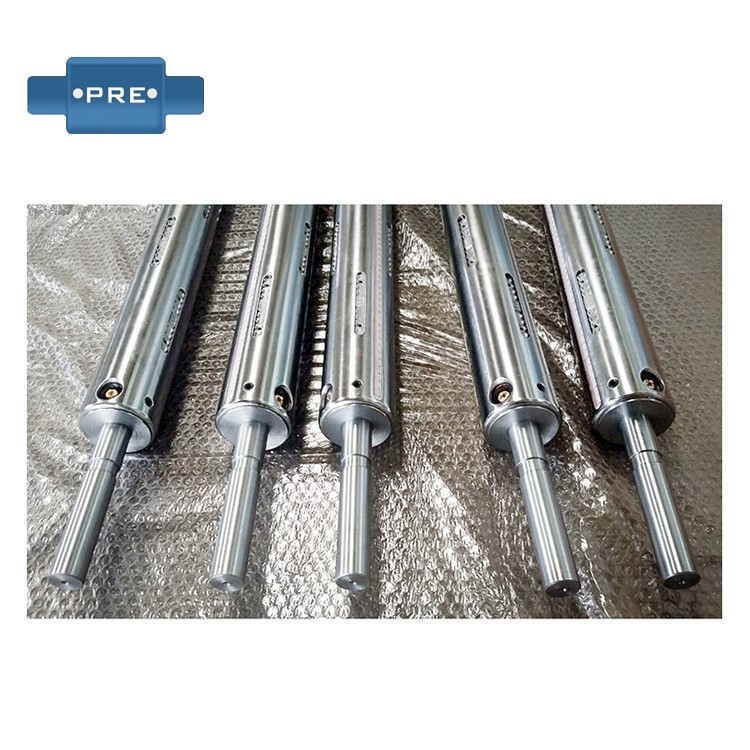
There are two main ways to inflate the core shaft:
1) Manual Inflation:
How it works: The operator uses an inflatable handle or similar tool, aligns it with the nozzle on the inflatable shaft, and then fills the valve with high-pressure gas through manual operation. When it is necessary to deflate, press the sliding air core on the air nozzle by hand to expel the gas and retract the key bar or bump on the surface of the inflatable shaft. This method is simple and straightforward, and is suitable for some occasions where the filling frequency is not high, the equipment operation space is relatively large, and the inflation speed is not strict, such as small printing presses, some packaging machinery, etc.
2) Auto-inflat:
Working principle: The end face of the shaft head of the inflatable shaft is connected with a rotary joint, and the rotary joint is then connected with the automatic inflation device. An automatic inflating device usually consists of an air source (such as an air compressor), an air pressure control system (including a pressure sensor, a regulating valve, etc.), and an electrical control system. When the equipment sends out an inflation signal, the high-pressure gas provided by the air source enters the air bag of the inflatable shaft through the rotary joint to achieve inflation; When it is necessary to deflate, the electrical control system controls the air pressure control system so that the gas is discharged from the air bag.
Advantages: The automatic inflation method can achieve fast and accurate inflation and deflation operations, improve production efficiency and work stability, and is especially suitable for large-scale automatic production equipment with high requirements for inflation accuracy and frequency, such as high-speed slitting machines, large-scale coating machines, etc.
The main reasons why the pneumatic expanded shaft cannot expand when it is inflated are the following:
1) Gas source problem (gas pump failure): The air pump is the source of gas supply. If the air pump fails, such as motor damage, piston wear, pump body leakage, etc., it will not be able to generate enough air pressure or no gas at all, resulting in the inflatable shaft not being able to inflate. For example, the motor of the air pump is damaged by overheating due to long-term operation, or the gas leakage caused by the aging of the piston seal, which may cause the air pump to lose its normal air supply function.
2) Trachea problem: The trachea is responsible for transporting gas from the gas pump to the inflatable shaft. If the tubing is not firmly connected, it will loosen or fall off, and the gas will leak and will not be able to reach the inflatable shaft. In addition, if the gas pipe is cut, worn or crushed, causing the gas passage to narrow or block, the inflatable shaft will not get enough gas to expand.
Problems with valves and valves
3) Valve blockage: The valve is the inlet for gas to enter the inflatable shaft. During the working process, the valve may be clogged by dust, impurities, oil, etc. For example, in some industrial environments, where there is a lot of dust in the air, or there are other impurities around the inflatable shaft, these impurities may enter the air valve, accumulate and clog the air valve, so that the gas cannot enter the inflatable shaft smoothly.
4) Valve failure: The valve is used to control the inflow and exit of gas. If the valve spool is stuck and does not open or close properly, the gas cannot enter the inflatable shaft through the valve. In addition, damage to the valve seals, such as aging, wear or corrosion, can lead to gas leakage, and even if the gas passes through the valve, it will not reach enough pressure to expand the shaft.
5) Airbag rupture: The airbag inside the inflatable shaft is a key component to store gas to expand the inflatable shaft. If the bladder ruptures, the gas leaks out and it is not possible to create enough pressure within the bladder to allow the inflatable shaft to expand. The rupture of the airbag may be caused by natural aging after a long period of use, or by excessive squeezing by external forces, scratches from sharp objects, etc.
Airbag aging: After a long period of use, the material of the airbag may deteriorate and its elasticity will be reduced. In this case, even if inflated, the airbag may not be able to inflate effectively, or it may not be able to maintain sufficient pressure during inflation, causing the inflatable shaft to not expand properly.
The following are the treatment methods for air leakage and poor expansion of inflatable shafts:
1) The solution to the problem of air leakage
Check the seals: carefully check the sealing rings at both ends of the inflatable shaft to see if there is any damage, deformation or aging, if there is a problem with the sealing ring, the new sealing ring with reliable quality should be replaced in time.
For the sealing of the contact between the surface of the inflatable shaft and other parts, such as the sealing with the shaft sleeve, wheel hub and other parts, sealant can be used to strengthen the seal, and when applying the sealant, it is necessary to ensure that the sealant evenly covers the sealing part and there are no bubbles and gaps.
Check the connection parts: check the joints, valves and other parts connected between the inflatable shaft and the air source to see if there is looseness or leakage, if it is found to be loose, the joints or valves should be tightened immediately; If the fitting or valve is damaged, it should be replaced in time.
For the air connection inside the inflatable shaft, such as the connection between the airbag and the shaft body, to check its tightness, you can use soapy water or special leak detector to detect, and repair the leak point after it is found.
2) How to deal with poor swelling
Check the air source: confirm whether the air source pressure is normal, if the air source pressure is insufficient, it may be that the air source equipment is faulty or the pipeline is blocked, check the air source equipment, such as air compressors, air storage tanks, etc., to ensure that they are working normally; At the same time, check the gas path and pipeline, clean up the blockage, and ensure the smooth flow of the gas source.
Check the quality of the air source to see if it contains impurities such as moisture and oil, if the quality of the air source is not good, it will affect the normal expansion of the air shaft, you can install filters, dryers and other equipment to purify the air source.
Clean the inside of the inflatable shaft: After long-term use, the inflatable shaft may accumulate dust, oil and other impurities inside, affecting the expansion of the airbag, disassemble the inflatable shaft, and thoroughly clean the inside of the shaft with detergent and soft cloth to remove impurities.
Check whether the airbag is broken or blocked, if the airbag is broken, it needs to be replaced with a new one; If the airbag is clogged, it can be purged with compressed air or cleaned with a slender tool.
Problems that need to be paid attention to in the process of inflatable shaft maintenance:
Inflatable shaft maintenance needs to follow certain steps and precautions to ensure the quality and safety of maintenance, in the maintenance process, pay attention to the accuracy of operation, safety and quality of materials, and refer to the manufacturer's suggestions and technical manuals for operation.
1) Safety first
Personal Protection: Wear appropriate personal protective equipment such as work clothes, gloves, and goggles to prevent injuries during maintenance.
Power and gas outage: Before repair, make sure that the air shaft has been powered off and the gas supply has been stopped to avoid accidental start-up or gas leakage during the repair process.
2) Accurate diagnosis
Fault analysis: carefully observe the fault phenomena of the inflatable shaft, such as air leakage, inflatability, key bar not working, etc., and make a preliminary diagnosis.
Professional testing: Use professional tools or equipment to detect the inflatable shaft to accurately determine the specific cause and location of the fault.
3) Standardize operations
Disassembly and installation: When disassembling and installing inflatable shaft components, the correct sequence and method should be followed to avoid damaging other components or affecting the maintenance effect.
Clean and dry: During the maintenance process, keep the inflatable shaft and components clean and dry to prevent the influence of dust, oil and moisture on the performance of the inflatable shaft.
4) Material quality
Spare parts selection: choose the same spare parts as the original parts or better performance for replacement to ensure the stable and reliable performance of the repaired inflatable shaft.
Sealing material: When replacing the seal, the sealing material with reliable quality should be selected to ensure the sealing performance of the inflatable shaft.
5) Repair details
Sealing treatment: During the maintenance process, carefully handle the parts that need to be sealed to ensure good sealing performance and prevent gas leakage.
Lubrication and adjustment: lubricate the parts that need to be lubricated, and adjust the parts that need to be adjusted to ensure the smooth operation of the inflatable shaft.
6) Testing and acceptance
Inflation test: After the repair is completed, the inflatable shaft is inflated to check whether there is any air leakage or other faults.
Functional test: Perform a functional test on the inflatable shaft to ensure that it can work properly and meet the requirements of use.
7) Recording and feedback
Maintenance records: record the problems, solutions and replacement parts in the maintenance process in detail, so as to follow up and reference.
User feedback: timely feedback the maintenance results to the user or relevant departments to understand the user's use and feedback, so as to improve and optimize.
Previous: Calculation Method Of Slitter Shafts For The Upper And The Bottom Knife
Next: What Are The Factors That Affect The Price Of Air Expanded Shafts