Tel: +86-134-31394972
E-mail: sales@pre-webguidesystem.com
Tel: +86-134-31394972
E-mail: sales@pre-webguidesystem.com
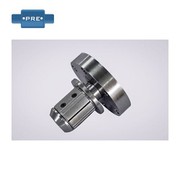
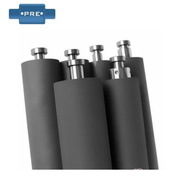
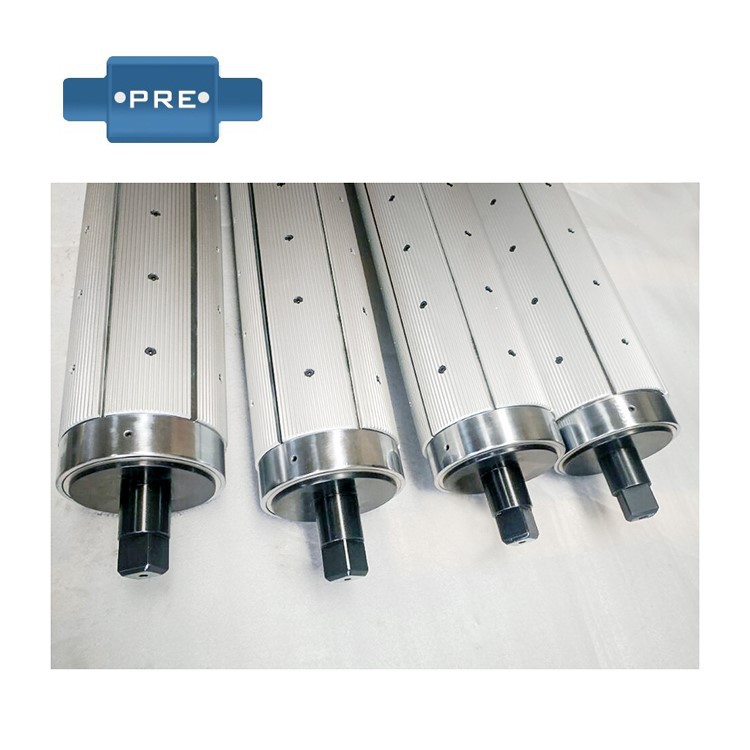
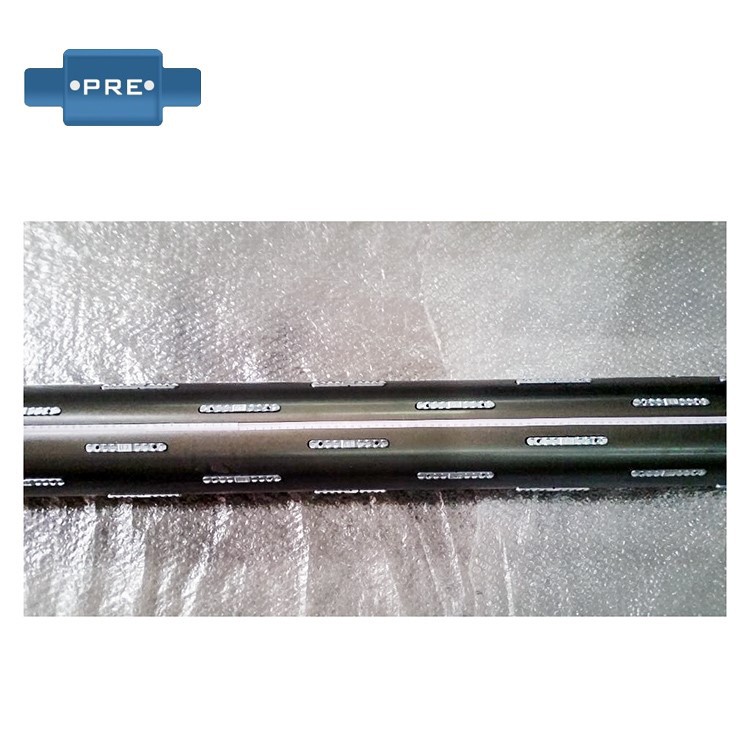
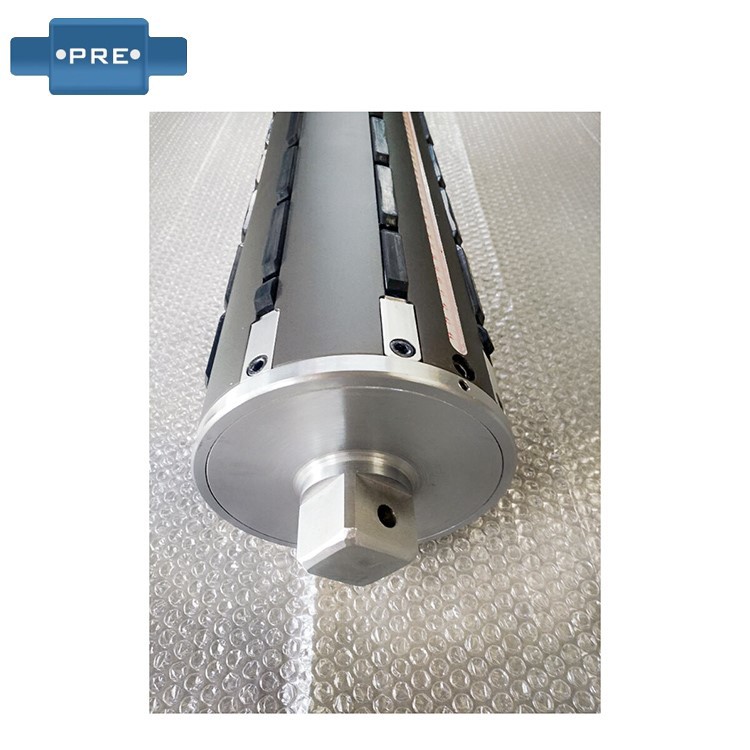
The air inflatable shaft is generally used for discharging, such as: cloth, paper, film, printing, leather, composite materials, etc., and is suitable for coating, slitting, printing, rewinding, laminating, papermaking, bag making, plastic and other related machinery rewinding and unwinding reel, which can improve efficiency.
The application of air expanding shafts in different industries and the required load capacity:
1. Printing industry
In the printing industry, the air expanded shaft is widely used in printing machines as an important transmission component to transfer printing materials, such as paper, plastic, etc. Due to the high speed and large material thickness of the machine at the level of high-speed printing machine, there are corresponding requirements for the bearing capacity of the inflatable shaft.
In general, the inflatable shaft on the press needs to have the following characteristics:
2. the stretch film industry
In the stretch film industry, inflatable shafts are mainly used for coil materials, such as plastic films. Stretch film needs to be stretched over a long period of time, so it requires an inflatable shaft with high tensile strength.
In general, the inflatable shaft used in the stretch film industry needs to have the following characteristics:
3. Packaging industry
In the packaging industry, inflatable shafts are mainly used to roll various film materials, such as plastic film, foam and other materials. Due to the wide variety of materials in the packaging industry, there is a need for a high degree of versatility of the inflatable shaft.
In general, the inflatable shaft used in the packaging industry needs to have the following characteristics:
4.the textile industry
In the textile industry, the inflatable shaft is mainly used for winding operations in textile machinery, and is widely used in the processing of various textile raw materials such as cotton, linen, silk, and wool. Due to the differences in the size, weight, hardness and other materials in the textile industry, there are different requirements for the bearing capacity and versatility of the inflatable shaft.
In general, the inflatable shaft used in the textile industry needs to have the following characteristics:
What determines the load-bearing capacity of the inflatable shaft:
The inflatable shaft is a common shafting structure in the engineering field, and its main function is to increase its torque and improve the power output by increasing the amount of compressed air on the inflatable shaft. The load on an inflatable bearing is directly affected by many factors, so its load-bearing capacity is directly affected by many factors, and this article will elaborate on the determinants of the load on the inflatable bearing, and explore how to improve the load-bearing capacity of the inflatable shaft.
1. the material of the inflatable shaft
The load-bearing capacity of an inflatable shaft is inextricably linked to its material. The strength, hardness, wear resistance and corrosion resistance of the material all directly affect the load-bearing capacity of the inflatable shaft. When the strength of the inflatable shaft material is higher, it is able to withstand greater loads. Similarly, higher hardness improves compressive load-bearing capacity and wear resistance in the stressed area, while corrosion-resistant materials prevent oxidation and corrosion from damaging the inflatable shaft.
In general, if you choose aluminum alloy as the shaft tube of the inflatable shaft (air shaft), then his bearing capacity is relatively poor, basically 300KG; If you choose steel as the inflatable shaft (air shaft) shaft tube, then it can bear more than one ton of weight, so our inflatable shaft (air shaft) enterprise users can choose their own materials according to the characteristics of the product during use.
2. Air pressure
Air pressure is one of the important factors affecting the load capacity of an inflatable bearing. When the air pressure is higher, the pressure on the inflatable shaft will also be greater, thus increasing its load capacity. However, when an inflatable bearing is subjected to excessive pressure, it can be damaged and fail. Therefore, the air pressure should not be increased arbitrarily, and the air pressure should be adjusted within an appropriate range.
3. Gas density
Gas density is one of the factors that affect the load capacity of an inflatable bearing. The denser the gas, the greater the pressure on the shaft and the increase in the load it can withstand. How to increase the gas density is an effective way to increase the load capacity of inflatable bearings. In practice, there are many ways to increase the density of the gas, such as adding other gases or increasing the volume of the hydraulic cylinder.
4. the choice of inflatulator
The inflator is one of the direct factors that determine the load capacity of an inflatable bearing. Different inflators have different sizes and load-carrying capacities. In order to increase the load-bearing capacity of the inflatable shaft, a suitable inflator should be selected. In general, larger inflators can withstand greater loads, but at the same time, they can also increase the volume and weight of the inflatable shaft. When it comes to actual selection, evaluation and decision-making should be made on a case-by-case basis.
5. the machining accuracy of the inflatable shaft
The machining accuracy of an inflatable shaft is a key factor affecting its load-bearing capacity. Any machining errors, assembly deviations, or material defects can affect the torque transmission efficiency and load-bearing capacity of the inflatable shaft. Therefore, high-precision manufacturing processes and high-quality materials must be used to ensure the machining accuracy of the inflatable shaft.
6.the use of the environment
The handling, manufacturing, and use environment can have a profound impact on the load-bearing capacity of an inflatable shaft. In the event of extreme or unfavorable environmental conditions, the load-bearing capacity of the inflatable shaft may be significantly reduced. These environmental factors include high temperatures, humidity, vibrations, heavy loads, pollution, chemical corrosion, etc. In order to improve the bearing capacity of the inflatable shaft, it is necessary to pay attention to monitoring and maintaining the operating environment of the inflatable shaft in the actual application process.
Previous: What Is The Difference Between An Air Shaft And A Mechanical Shaft?
Next: Repair Methods And Maintenance Skills Of Inflatable Shafts