Tel: +86-134-31394972
E-mail: sales@pre-webguidesystem.com
Tel: +86-134-31394972
E-mail: sales@pre-webguidesystem.com
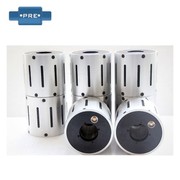
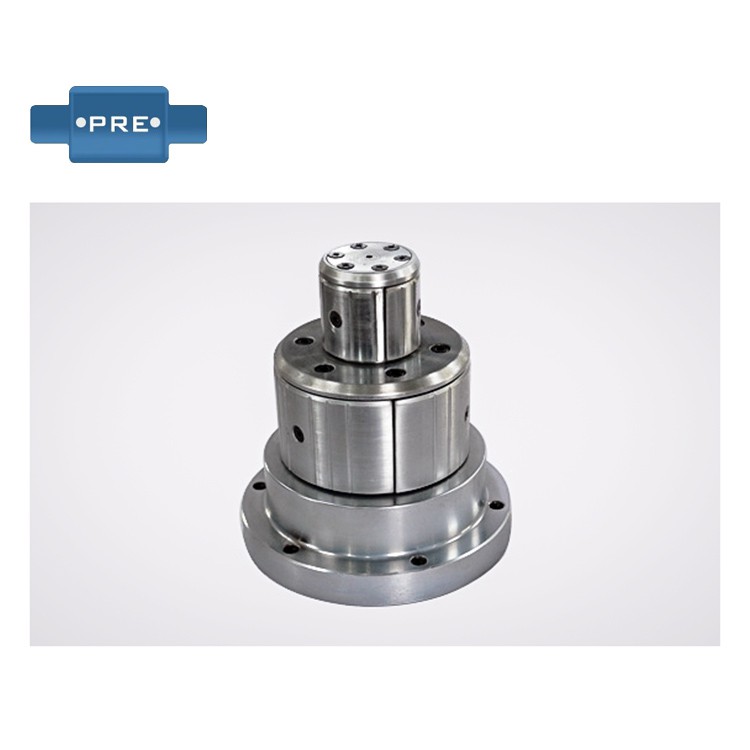
The safety chuck, also known as the safety chuck, is a coupling used for transmission connections, especially when frequent disengagement is required. Its precise machining accuracy ensures the accuracy of positioning, while the special heat treatment process makes the reel bracket have excellent wear resistance.
Safety chucks offer the following advantages when operating on a printing press:
1) Accurate and stable transmission positioning: with high-precision concentricity and excellent torque transmission ability, it can ensure the accurate operation and positioning of mechanical parts during operation. In printing machinery, the safety chuck can accurately control the rotation of the printing plate cylinder, ensure the accurate printing position of the pattern, avoid overprint deviation, and improve the printing quality of products.
2) Strong and reliable overload protection: When the equipment encounters sudden overload or abnormal torque, the safety mechanism of the safety chuck will respond immediately and automatically disconnect or limit torque transmission to prevent damage to key components such as motors and transmission chains due to overload, effectively extend the overall service life of the equipment, and reduce maintenance costs and shutdown losses.
3) Wide adaptation compatibility: the design has a high degree of standardization, with a variety of specifications and models, which can be used with different sizes and types of shaft components and mechanical equipment. Whether it is a small food processing equipment or a large industrial manufacturing equipment, you can find the right safety chuck to meet the diverse needs of various industries.
4) Durable and durable high-quality material: made of high-strength, wear-resistant alloy material, after strict heat treatment process, the clamping part of the chuck has high hardness and good toughness, can withstand frequent loading and unloading and long-term high-intensity work, is not easy to deform and wear, and can maintain stable and reliable performance in harsh working environment.
5) Compact and lightweight structure design: while ensuring performance, the safety chuck has compact structure, small size and light weight, which not only saves the installation space of the equipment, but also facilitates the overall layout and movement of the equipment. In some automated production lines or precision instruments with limited space, its compact design has obvious advantages, which can optimize the internal structure of the equipment and improve space utilization.
Classification of safety chucks:
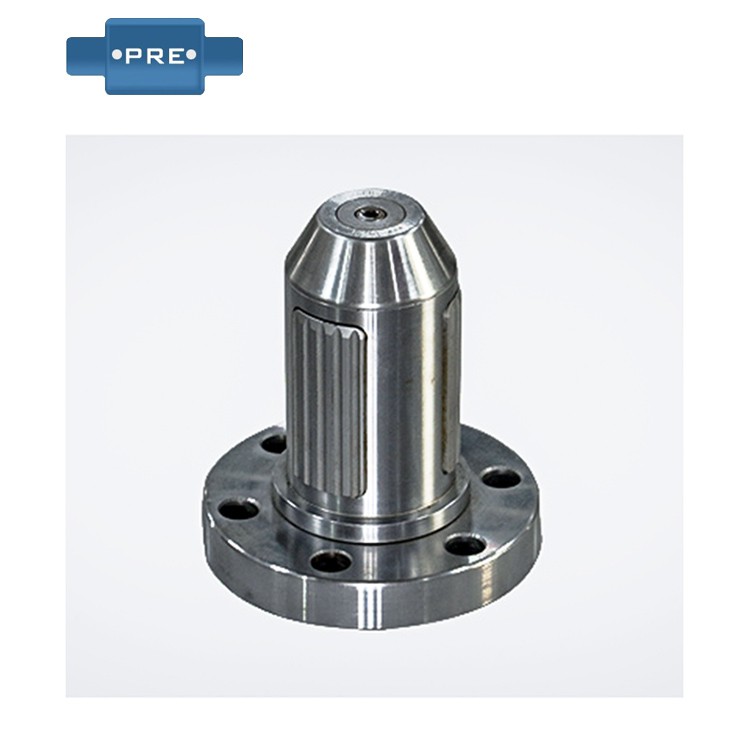
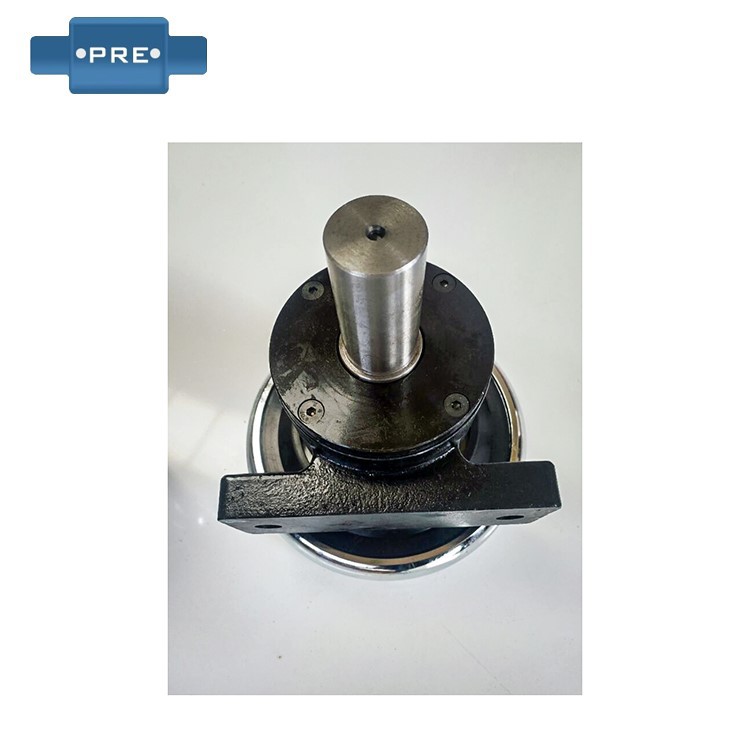
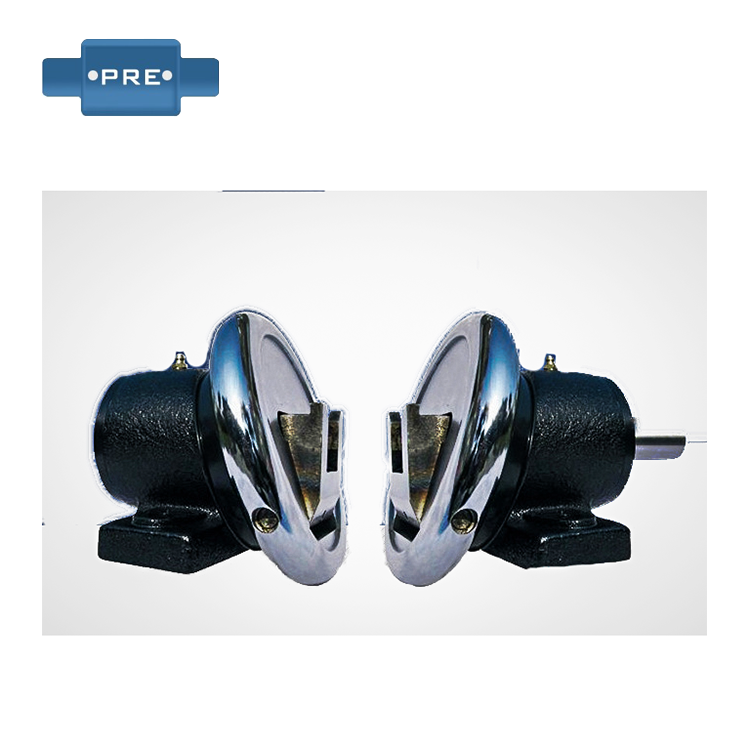
1) Safety chuck classification according to the installation method: safety chuck can be divided into shaft seat type, flange type according to the installation method, the general shaft seat type safety chuck is horizontal installation, flange type safety chuck is vertical installation. With its simplicity and easy installation, the standard safety chuck provides a fast, safe and reliable solution for frequent coupling and disengagement actions. When the shaft seat type safety chuck is installed, the foot seat is fixed, and the two ends of the inflatable shaft or square steel are respectively installed in the card slot of the safety chuck, and the safety chuck card slot can be manually pushed to open, and it automatically returns when rotating, and the tail end of the safety chuck drives the chuck to rotate through the motor drive, thereby driving the rotation of the coil shaft. Flange type safety chuck, no need to fix, directly connect the tail end to the motor, follow the motor rotation, the operation of the coil discharging shaft is basically the same as the shaft seat type.
2) According to different working principles and application scenarios, safety chucks can be roughly divided into the following four categories: mechanical safety chucks, pneumatic safety chucks, hydraulic safety chucks and electromagnetic safety chucks.
a. Mechanical safety chuck is the most common one, and its advantages are simple structure, easy operation and strong adaptability. The workpiece is clamped by manually tightening the screw or other mechanical mechanism. The advantage of this chuck is that the cost is low, and the maintenance is convenient, but its disadvantage is also obvious, that is, it needs to be operated manually, and the efficiency is low, and the size of the clamping force is often affected by the technical level of the operator, and there are certain potential safety hazards.
b. The pneumatic safety chuck uses compressed air as the power source to clamp the workpiece through the expansion and contraction of the cylinder. The advantages of this chuck are that it can be controlled remotely, the operation is simple, the clamping force can be accurately controlled by adjusting the air pressure, and the response speed is fast, which is suitable for use in automated production lines. However, the disadvantage of pneumatic safety chucks is that they require matching air supply equipment, and the clamping force may fluctuate in the case of unstable air pressure.
c. The hydraulic safety chuck uses the pressure of the liquid to clamp the workpiece. Compared with pneumatic chucks, hydraulic chucks have the advantage of providing greater clamping force, and the magnitude of the clamping force can be precisely controlled by adjusting the pressure of the liquid, resulting in higher stability. However, the disadvantage of the hydraulic safety chuck is that it requires supporting hydraulic equipment, and the maintenance of the hydraulic system is relatively complex.
d. The electromagnetic safety chuck uses the adsorption of the electromagnetic field to realize the clamping of the workpiece. The advantage of this chuck is that it can realize the clamping of non-metallic materials, and the size of the clamping force can be precisely controlled by adjusting the magnitude of the current. However, the disadvantage of electromagnetic safety chucks is that they need to consume a lot of electrical energy, and electromagnetic fields can interfere with surrounding equipment.
In addition to printing equipment, safety chucks are also mainly used in the following fields:
1) Packaging industry: In the packaging production line of paper, plastic film, metal foil and other coils, the safety chuck can ensure the stability and safety of the coil and prevent abnormal situations in the packaging process
Happen.
2) Textile industry: In spinning, weaving or dyeing and finishing equipment, safety chucks grip yarns, fabrics or machine components to provide a safe and stable working environment.
3) Stretching and Coating Equipment: Safety chucks are applied in stretching and coating equipment to clamp coils and ensure stability and safety during stretching and coating processes.
Contact factory in Guangdong, China
(Over 20 years experience in safety chuck production )
Previous: What Is The Role Of The Safety Chuck in The Process Of Rewinding And Unwinding Paper And Film
Next: How Did Safety Chuck Meet Safety Need On Expanding Air Shaft?