Tel: +86-134-31394972
E-mail: sales@pre-webguidesystem.com
Tel: +86-134-31394972
E-mail: sales@pre-webguidesystem.com
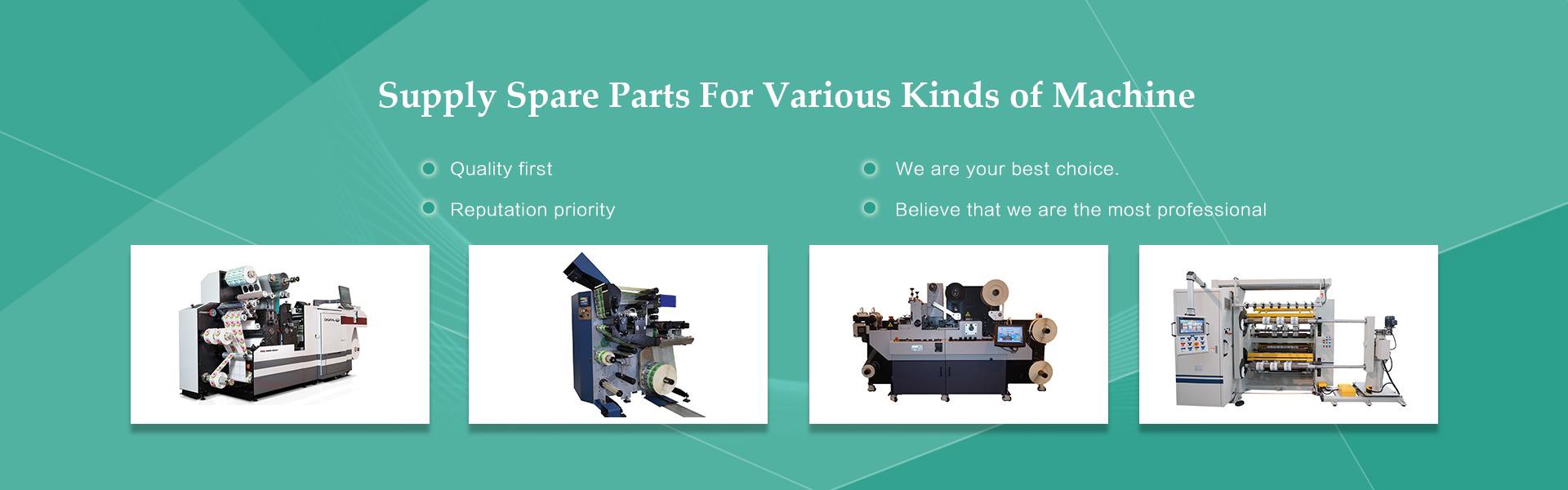
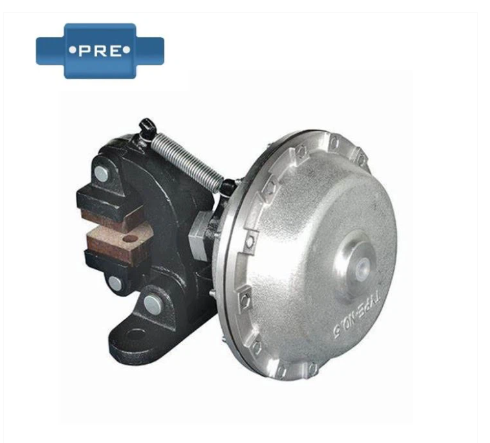
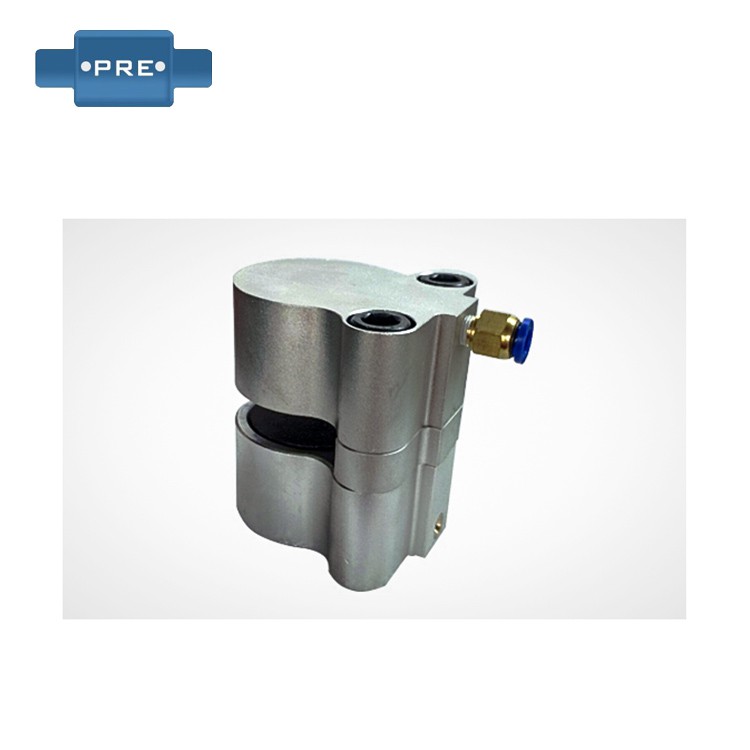
Pneumatic brakes and magnetic powder brakes are two common industrial braking devices, pneumatic brakes: pneumatic brakes should use compressed air as the power source to generate braking force by driving brake pads to friction by air pressure. The magnetic particle brake should use the curing effect of magnetic powder in the magnetic field to transmit torque, which is a kind of electromagnetic braking.
The following is a comparison by introducing their principles, structures, application scenarios, and performance characteristics:
1) How it works
Pneumatic brakes: The piston or cylinder is driven by compressed air, and the friction pads are used to contact the brake disc/brake drum to achieve braking. The power source comes from compressed air.
Magnetic particle brake: control the curing state of magnetic particles through electromagnetic fields, and use the shear force between magnetic particles to transmit or cut off torque to achieve automatic or clutching. The power source comes from the magnetic field generated through the electromagnetic coil, also known as electrical energy.
2) Composition:
Pneumatic brakes: cylinders/pistons, friction pads, brake discs/brake drums, springs (for resetting), pneumatic systems (air pipes, valves).
Magnetic particle brake: stator (including solenoid coil), rotor (connected to the shaft), magnetic particle (filled in the air gap), heat dissipation structure (such as fan or cooling channel).
3) Features:
Features |
Pneumatic brakes | Magnetic powder brakes |
| Response time | Slow(dependent on barometric pressure settling time) | extremely fast (millisecond response) |
| Control accuracy | low (non-linear, affected by air pressure fluctuations) | high (torque is linearly related to current) |
| Torque regulation | Precise adjustment by air pressure (limited adjustment range) | current regulation (wide range) |
| Heat dissipation performance | good (frictional heat dissipates heat through air) | poor (requires additional heat dissipation design) |
| Maintenance requirements | the friction plate needs to be replaced regularly to maintain the gas path | the magnetic particle needs to be replaced regularly (the service life is about 5,000 hours) |
| Environmental adaptability | dust-resistant and moisture-resistant, but it may freeze at low temperatures | needs to be dust-proof and moisture-proof (magnetic particles fail when damp and agglomerate) |
4) Application Scenarios:
Pneumatic brakes: heavy-duty machines (e.g. cranes, mining equipment), emergency braking (e.g. elevator safety gear), explosion-proof occasions (no risk of electric sparks)
Magnetic particle brakes: precision tension control (e.g. printing and textile winding equipment), servo system overload protection, laboratory testing equipment (torque can be precisely controlled)
When we usually choose a brake, we think about which type of brake will be more suitable for our mechanical work? , combined with the above points of comparison, and summarize the two types of brakes and the advantages and disadvantages, let us more clearly understand and choose the right brake:
1) Pneumatic brakes
Advantages: simple structure, low cost, harsh environment resistance, suitable for high power, high inertia load.
Disadvantages: low control accuracy, high noise, high energy consumption (air compressor is required, and the friction plate needs to be replaced frequently.)
2) Magnetic particle brake
Advantages: no contact wear, long life, accurate torque control, fast response, continuous slip work.
Disadvantages: high price, magnetic powder is easy to age, needs to be replaced regularly, poor heat dissipation, and easy to overheat under high load for a long time.
Finally, summarize the selection suggestions:
Air disc brakes: Scenarios that require low-cost, impact-resistant, explosion-proof or heavy-duty braking (e.g., construction machinery, iron and steel metallurgy).
Magnetic particle brake: Occasions that require high-precision torque control, fast response or frequent start and stop (such as automated production lines, precision instruments).
Contact factory in Guangdong, China
(Over 20 years experience in Pneumatic brakes,Magnetic powder brakes production )
Previous: What Powder Is Used in Magnetic Particle Clutch Or Brake?
Next: What Is The Role Of Magnetic Powder Brake in Packaging Machine Tension Control