Tel: +86-134-31394972
E-mail: sales@pre-webguidesystem.com
Tel: +86-134-31394972
E-mail: sales@pre-webguidesystem.com
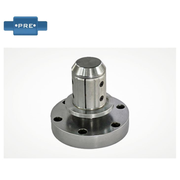
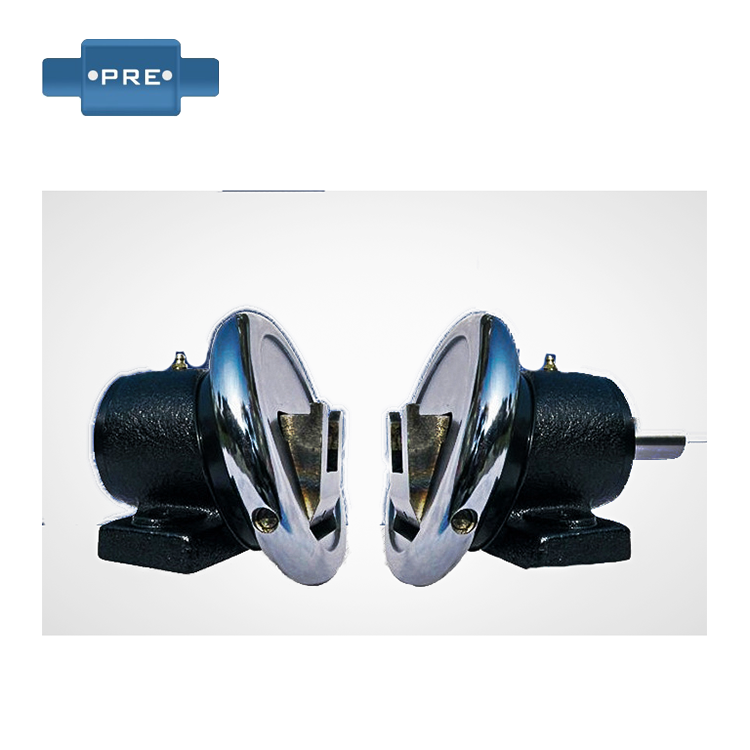
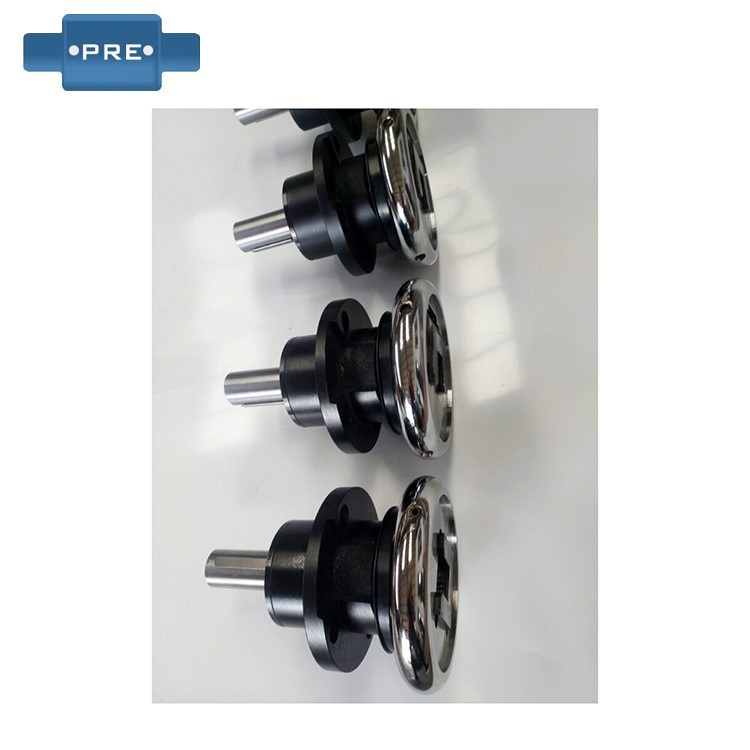
Safety chucks are often used in coil handling equipment, such as printing machines, slitting machines or packaging machines, to hold the inflatable shaft of the coil and ensure that the coil does not loosen or fall off during high-speed operation. Safety chucks (safety chucks) are divided into horizontal installation and vertical installation. The standard safety chuck is designed to be simple and easy to install, and the size of the safety chuck drive can be designed and manufactured according to different mechanical specifications and characteristics.
The safety chuck (safety chuck) is a device that can be quickly connected and applied to the reels of receiving and unloading to save the operator's time in loading and unloading. When changing materials, there is no need to move the structure of the machine every time. The safety chuck provides the operator with the function of quickly changing the material when the material is collected and unloaded. Reduces the time spent loading and unloading materials, making the operator's work more efficient to achieve cost savings.
The safety chuck mainly has the following characteristics:
1) Locking anti-slip mechanism
- Clamping force control: Uniform clamping force is applied by pneumatic, hydraulic or mechanical means (e.g., springs, bolts) to firmly hold the coil shaft and avoid slipping or loosening of the shaft core due to centrifugal force or inertia.
-Self-locking design: Some safety chucks adopt wedge-shaped structure or self-locking threads, and the clamping force will be automatically enhanced when the force is applied, preventing accidental loosening under sudden load.
2) Automatic centering function
- Floating structure: The collet is designed with floating bearings or elastic elements inside, which can automatically compensate for small deviations of the coil shaft core and ensure that the coil is aligned with the axis of the machine.
- Vibration Reduction: The centering function reduces vibration and shock due to eccentricity, avoiding wear and tear of equipment or material breakage, especially at high speeds.
3) Overload protection
- Torque limiter: Some safety chucks have an integrated torque limiting device that automatically slips or disconnects the power transmission when the load exceeds the set value, preventing motor overload, damage to transmission parts or material tearing.
- Emergency shutdown linkage: Linkage with the safety control system of the equipment triggers the shutdown when the web is stuck in an abnormal situation to avoid the expansion of the accident.
4) Fast loading and unloading and maintenance
- Modular design: allows for quick web changes, reducing downtime while reducing the risk of manual operation.
- Anti-misoperation structure: e.g. the one-handed operation of the pneumatic chuck prevents the operator from clamping failure due to incorrect steps.
5) Wear-resistant and anti-fatigue materials
- The contact surface of the safety chuck is usually treated with high-strength alloy or case hardening, which reduces wear and tear in long-term use and ensures a long-lasting and stable clamping force.
- Sealed design prevents dust and oil from penetrating into the internal mechanism, and provides replaceable VT type reel brackets to extend its service life.
Safety chucks are mainly used in the following scenarios:
- Printing presses: Prevent paper or film rolls from drifting, ensure stable operation of paper rolls, avoid material waste and equipment jamming.
- Slitting machine: Ensure that metal foil, plastic film and other materials have uniform tension during high-speed slitting, reducing the risk of belt breakage.
Regular maintenance of safety chucks:
1) Cleaning and maintenance: Clean the safety chuck regularly and make sure it is kept dry and clean.
2) Check for looseness: Regularly check the fastening screws, connectors and seals of the safety chuck to ensure that they are not loose or damaged.
3) Replace worn parts: If necessary, replace worn parts in time according to the life recommended by the manufacturer to ensure the normal operation of the safety chuck.
4) Regular calibration: According to the calibration cycle recommended by the manufacturer, calibrate the safety chuck regularly to ensure its accurate and sensitive response.
5) In industrial production, the correct use and regular maintenance of safety chucks are essential to ensure the safety of operation.
Contact factory in Guangdong, China
(Over 20 years experience in safety chucks production )
Previous: No Information
Next: What Is The Role Of The Safety Chuck in The Process Of Rewinding And Unwinding Paper And Film