Tel: +86-134-31394972
E-mail: sales@pre-webguidesystem.com
Tel: +86-134-31394972
E-mail: sales@pre-webguidesystem.com
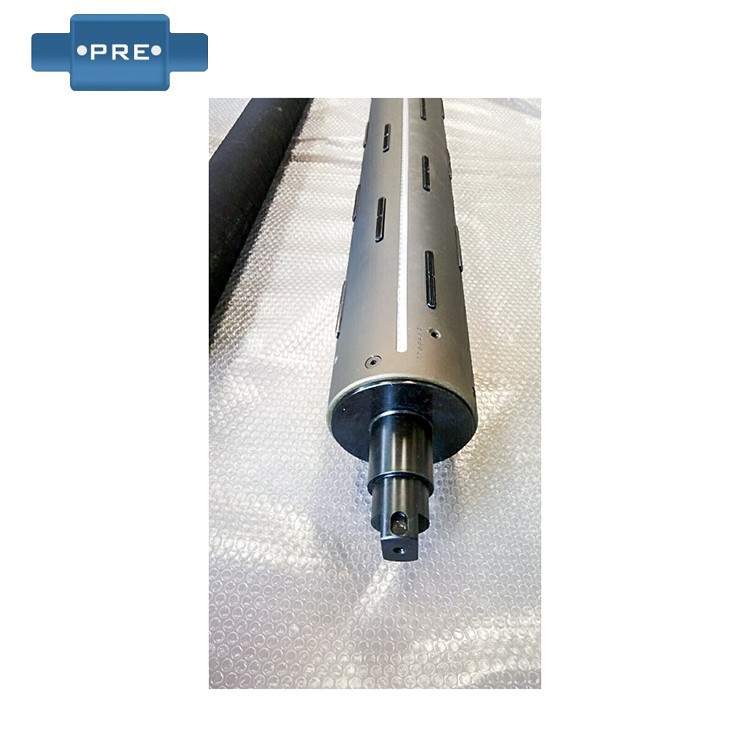
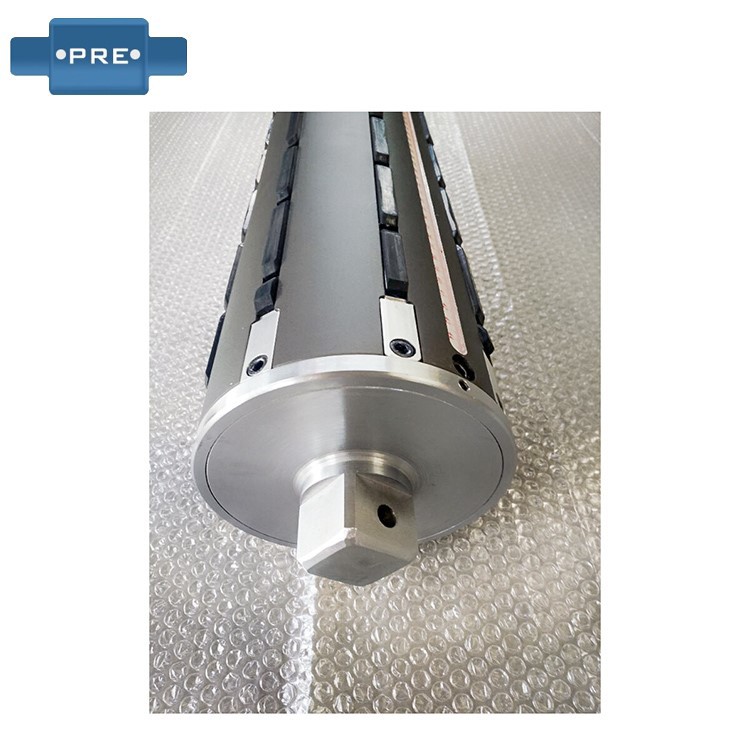
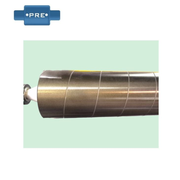
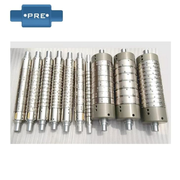
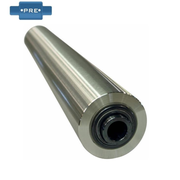
Inflatable shafts are also called pneumatic expander shafts, expansion shafts, flatulence shafts, inflatable shafts, inflatable rollers, etc.; The inflatable shaft is a kind of rewinding and unwinding shaft that expands the surface of the paper tube or cylinder through the plate or the protruding key bar that can be expanded after high-pressure inflation; When deflated, the surface part will retract rapidly;
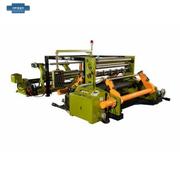
The inflatable shaft has a wide range of uses, and all machines with winding, unwinding, and slitting can be applied to the inflatable shaft, even including the light metal industry. For example, the inflatable shaft is mainly suitable for printing equipment: drying machine, flexo printing machine, gravure machine, trademark printing machine, etc.; Other machinery includes: coating machine, leather machine, setting machine, embossing machine, slitting machine, die-cutting machine, rewinding machine, paper tube machine, bag making machine, laminating machine, laminating machine, film blowing machine, foaming machine, laminating machine, embossing machine, paper machine, non-woven machine, cloth inspection machine, hot stamping machine, battery equipment and other related machinery supporting the use.
General solutions for inflatable shaft head fracture:
1) Replace the shaft head: If the shaft head is seriously broken and cannot be repaired, you can try to replace the entire shaft head. When replacing the shaft head, it is necessary to ensure that the specifications of the new axle head are the same as the original shaft head and that the installation is correct.
2) Welding repair: If the shaft head fracture is light, welding can be considered for repair. It is necessary to find the welding rod that matches the shaft material and carry out the welding process accordingly. After the welding is completed, the corresponding inspection and testing need to be carried out to ensure the strength and function of the shaft head properly.
3) Heat treatment repair: For some inflatable shafts of special materials, heat treatment can be used for repair. By adjusting the internal structure of the material, the mechanical properties and durability of the material can be improved. When performing heat treatment repairs, it is necessary to grasp the correct process parameters and technical requirements to avoid further damage.
Precautions and steps for disassembling the shaft head of the inflatable shaft:
1) Prepare the tools
The tools you need to prepare to remove the shaft head of an inflatable shaft include:
1. Wrench: This is required to remove the bearing cover.
2. Allen wrench: It is required to disassemble the bearing.
3. Knife for hanging bearing: used to remove the bearing from the inflatable shaft.
4. Handle: used to clamp or rotate the inflatable shaft, easy to disassemble.
2) Disassembly steps
1. First of all, you need to loosen the expansion screw of the inflatable shaft, and then use the handle to clamp the inflatable shaft.
2. Unscrew the bearing cover with a wrench and remove the bearing with an Allen wrench.
3. Put the knife on the bearing and gently hit it with a hammer to eject the bearing from the inflatable shaft.
4. After disassembly, clean and inspect to see if there is wear or damage.
3) Precautions
1. The inflatable shaft needs to be protected before disassembly to avoid damage.
2. Care should be taken during the disassembly process to avoid damage to the shaft head or other parts.
3. When disassembling the head of an inflatable shaft, care should be taken to handle the surrounding parts to avoid damage to the bearing or other components.
4. After disassembling the inflatable shaft head, it needs to be inspected and cleaned, and the problems are found to be repaired or replaced in time.
In short, the dismantling head of the inflatable shaft needs to pay attention to the details, and the specific steps need to be operated in the correct way to avoid damage. I hope the content introduced in this article can help you to better complete the operation of the inflatable shaft dismantling shaft head.
Problems and solutions that are prone to occur when welding the shaft head of the inflatable shaft:
1) The cause of shaft head weld breakage
1. The temperature during the welding process is too high. The shaft head and the weld will be deformed by the high temperature during welding, which will reduce the strength of the weld.
2. Stress concentration during welding. Stress concentrations occur in the shaft head after welding, which leads to increased brittleness at the weld.
3. Welding defects. Defects in the weld, such as porosity, cracks, etc., will cause the strength of the weld to decrease, and fracture is more likely.
4. Improper selection of welding materials. The strength of the welding material is different, which will affect the quality of the welding joint, and will also have an impact on the bearing capacity of the shaft head.
5. The design and material selection of the shaft head itself are unreasonable. Improper selection of the material and size of the shaft head can also lead to insufficient load bearing capacity after welding, which can lead to easy breakage.
2) The solution to the welding fracture of the shaft head
1. Sufficient preparation should be made before welding. The welding surface is treated in advance to remove the buildup and ensure that the surface is clean and reduce the defects formed during welding.
2. Adjust the welding parameters appropriately. Choose the appropriate welding current and voltage distribution to avoid excessive temperature during the welding process.
3. Reasonable control of welding stress. For too large or too small force will lead to stress concentration at the weld, the appropriate welding force should be selected to ensure that the welding will not appear too much stress concentration.
4. Choose the right welding material. Select the appropriate welding material according to the actual situation to ensure the quality of the welding joint.
5. Carry out post-weld heat treatment. Heat treatment of the welded shaft head can reduce the stress of the weld joint, improve the toughness and ductility of the weld joint, and thus enhance the strength and fracture toughness of the shaft head.
In short, the welding of the shaft head is prone to fracture problems, which will not only affect the normal use of mechanical equipment, but also cause serious safety hazards. Therefore, when welding the shaft head, please pay attention to the material selection, control parameters and welding stress, and understand the design and material selection of the shaft head itself to ensure the quality of the welding joint and the bearing capacity of the shaft head.
Steps and precautions for heat treatment repair of inflatable shaft shaft head:
Steps for heat treatment repair of inflatable shaft shaft head:
1) Adopt a suitable heat treatment method
Heat treatment is a core step in the repair of an inflatable shaft head, the purpose of which is to improve the performance of the shaft head by heating and cooling to make physical or chemical changes in the shaft head.
In general, heat treatment methods can be divided into four categories: normalizing, quenching, tempering, and carburizing. For the shaft head repair of inflatable shafts, a combination of quenching and tempering is generally adopted. Quenching can increase the surface hardness and wear resistance of the shaft head, and tempering can adjust the stress state and strength inside the shaft head to make it more stable and reliable.
2) Carry out the surface treatment of the shaft head
The surface of the shaft head needs to be treated before heat treatment. The treatment method of the shaft head can be selected according to the actual situation, which generally includes the following methods:
1. Grinding: Machining the surface of the shaft head into a flat surface to remove surface oxides and rust to prepare for the next step of processing.
2. Pickling: An acidic solution is used to corrode the oxides and rust off the surface of the shaft head to make it smooth and free of impurities.
3. Grinding wheel grinding: Use the grinding wheel to polish the surface of the shaft head to make the surface more flat and smooth.
4. Stretching: Use the machine to draw the shaft head into a certain size shape to remove cracks and deformation on the surface, and fully prepare for the next step of processing.
3) Quenching treatment
Quenching is one of the important steps in the repair of the shaft head of an inflatable shaft, the purpose of which is to increase the surface hardness and wear resistance of the shaft head.
The following points should be paid attention to during the quenching process:
1. Control the heating temperature and time: keep the temperature stable and the time should not be too long during the heating process, generally heating at about 700-800°C, the time is 10-20 minutes.
2. Uniform heating: Heating should be uniform to avoid overheating, otherwise cracks and deformation will occur on the surface of the shaft head.
3. Rapid cooling: Rapid cooling should be carried out immediately after quenching, and media such as water, oil or salt can be used to ensure the quenching effect.
4) Carry out tempering treatment
Tempering is another important step in the repair of the shaft head of an inflatable shaft, the purpose of which is to make the stress state and strength inside the shaft head more stable and reliable.
The following points should be paid attention to during the tempering process:
1. Control the heating temperature and time: The heating temperature is usually around 250-350°C, and the time is 1-2 hours.
2. Uniform heating: Heating should be uniform to avoid overheating, otherwise deformation and cracks will occur inside the shaft head.
3. Cooling and cooling: After tempering, proper cooling should be carried out to produce a proper temperature difference between the surface and the inside of the shaft head to ensure the performance and quality of the shaft head.
5)Finish and surface treatment
The inflatable shaft head has been repaired after the above steps, but finally, it needs to be finished and surface treated to make its surface smoother and more beautiful.
Finishing includes grinding, scraping, and stretching, among other things. Surface treatment is usually done by painting or spray painting to protect the surface of the shaft head from oxidation and corrosion again.
Notes:
1) Ensure the correct selection and reasonable control of heat treatment temperature, time and medium.
2) The surface treatment of the shaft head should be sufficient and thorough to prevent the repair effect from being affected by surface pollution or residual substances.
3) Attention should be paid to the methods and techniques of finishing and surface treatment to achieve the best results and quality.