Tel: +86-134-31394972
E-mail: sales@pre-webguidesystem.com
Tel: +86-134-31394972
E-mail: sales@pre-webguidesystem.com
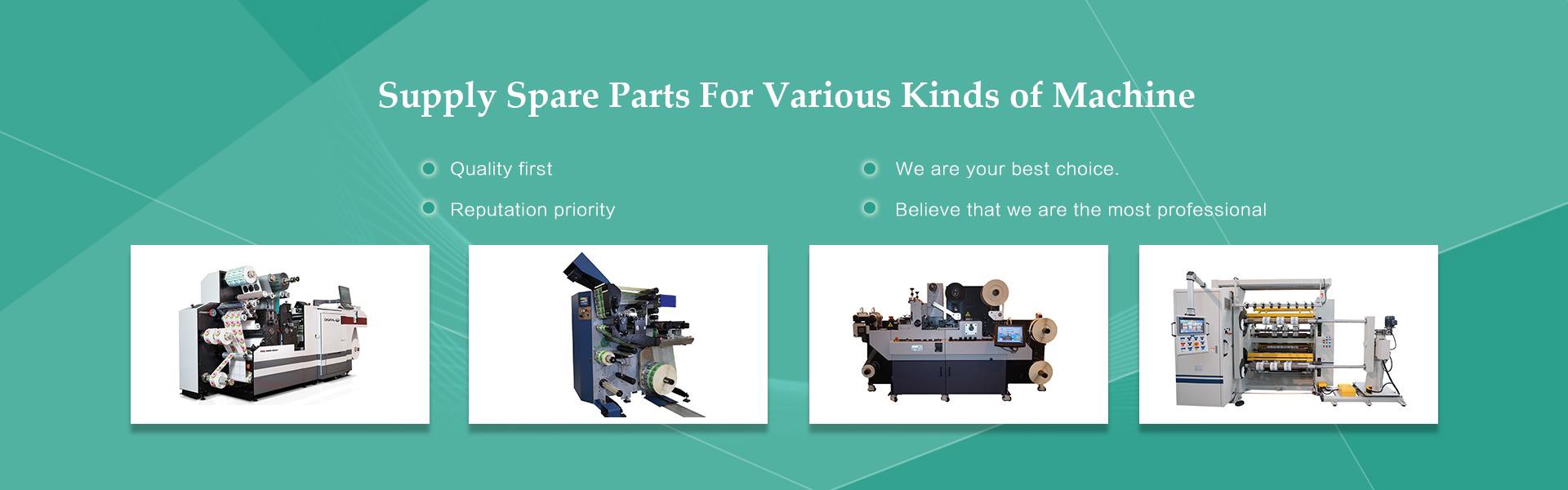
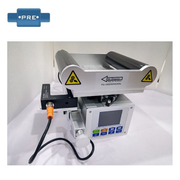
Web guiding systems are technical operations employed by manufacturers to keep the sides of the coil neat and consistent during spraying, printing, stamping, laminating, slitting, or other coil winding processes. It is widely used. Huge benefits for the industry. The deviation correction control system has given birth to DE automatic control in steel, corrugated, textile, printing, label, papermaking, plastic film, building materials, cables, rubber, tires, non-woven corrugated processing and other industries.
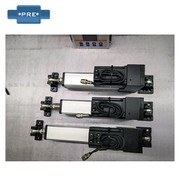
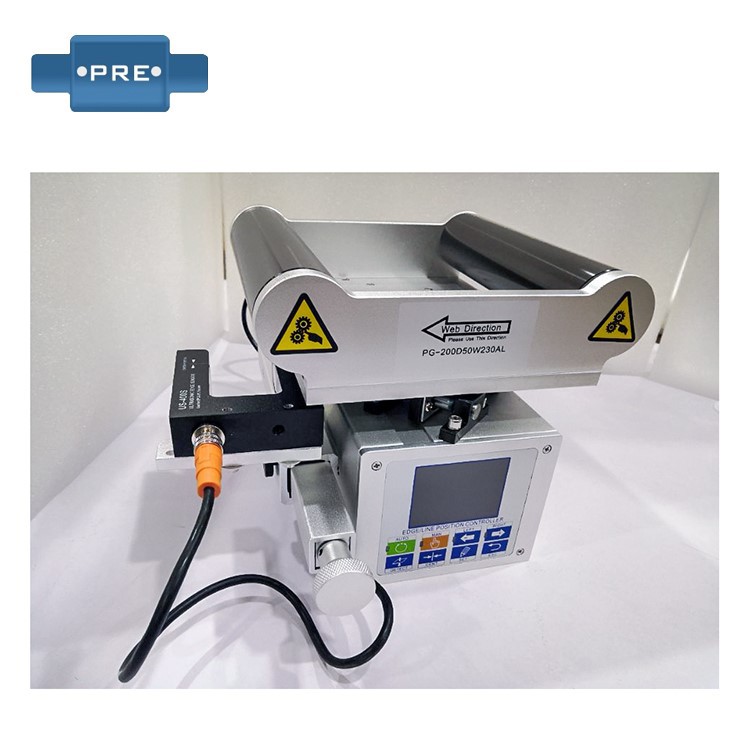
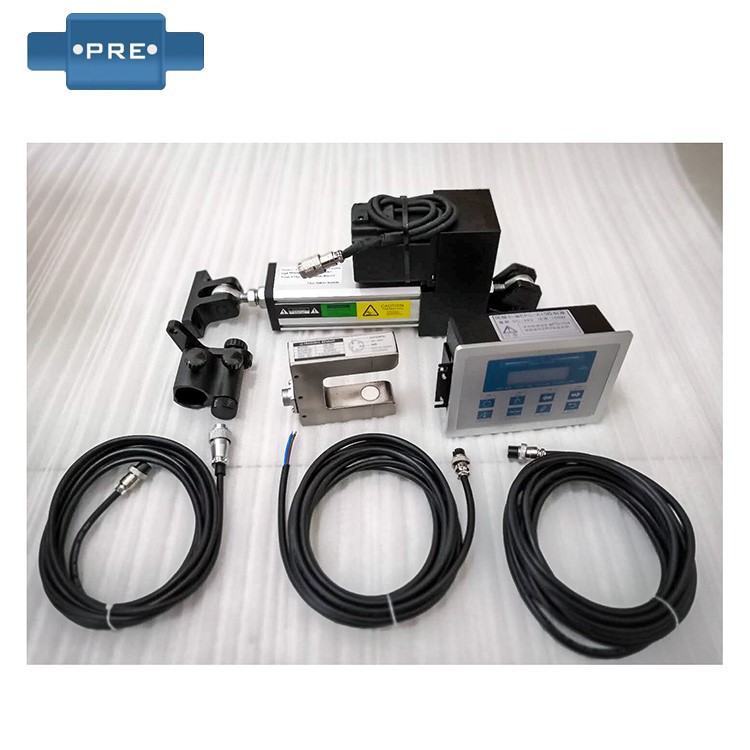
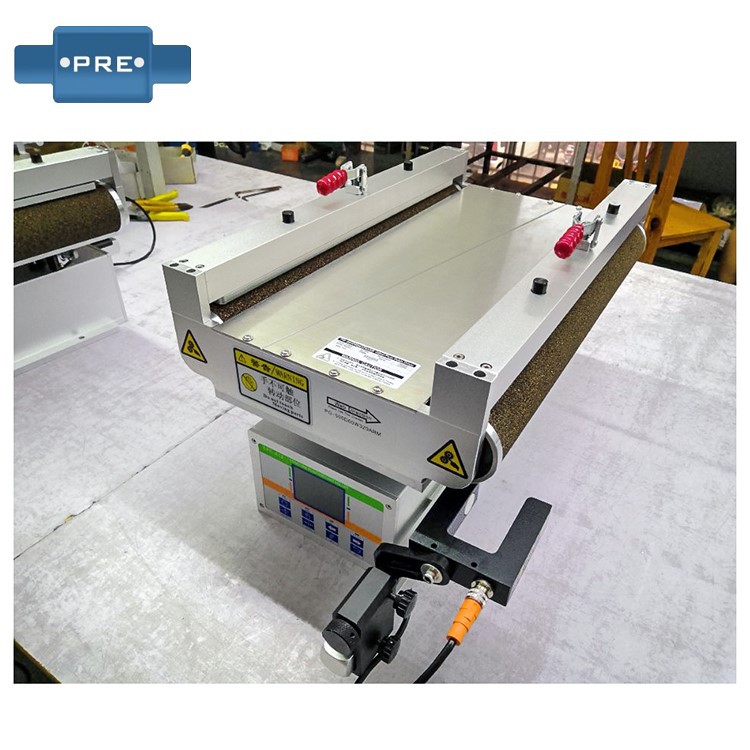
The function of the correction system is to ensure that the coil is in the production process, the material is consistently in the set track position, so as to prevent the material from deflecting during the process, resulting in waste that does not meet the requirements of the production process. The principle is that when the sensor detects the material offset, the offset data is transmitted to the correction controller, and the controller outputs the corresponding proportional signal to the driver according to the size of the deviation, and corrects the material in the shortest possible time. Form a closed-loop control of detection, analysis and processing, and execution of deviation correction.
The installation distance of the guiding system is related to the width of the conveyor belt and the degree of deviation:
In the industrial production process, the automatic deviation correction system is widely used in various belt conveying equipment to realize the automatic correction and correction of the conveyor belt and ensure that the conveyor belt remains stable and normal operation. However, in order to ensure that the automatic guiding device can work effectively, a reasonable installation distance is crucial. The automatic deviation correction device detects the deviation on the belt conveyor equipment through the sensor, and controls the correction roller through the deviation signal to achieve correction. It follows the principle of creating a large moment over a larger length off the centerline to bring the belt back to its center position.
1) The width of the conveyor belt is positively correlated with the installation distance of the guiding system. In general, the wider the belt, the higher the installation distance.
2) The degree of belt deviation refers to the distance that the conveyor belt deviates from the center line during operation. The conveyor belt with a large degree of deviation should choose a large installation distance to ensure that the deviation correction device can fully correct the deviation. Once the automatic guiding device is installed, it needs to be commissioned and optimized to ensure that it works properly. During debugging, the position and torque of the correction roller should be adjusted according to the actual situation, so that it can accurately correct the deviation without causing excessive pressure on the conveyor belt.
How to determine the offset direction of the material by the deviation correction system:
If the position of the material is offset, the sensor signal is transmitted back to the controller (return sensor number), and the controller judges the offset direction and degree of deviation of the material according to the received signal, and controls the thruster to promote the rotation of the corrector, so as to correct the deviation of the material (control correction).
How to avoid installation deviations with the trainer:
The corrector should pay great attention to avoid the installation deviation generated in the installation, the tightening gland should be carried out after the coupling is aligned, the bolt should be evenly supported, to prevent the end face of the gland from deviating, and check each point with a feeler gauge, and the error is not more than 0.05 mm. Check the fitting clearance (i.e., concentricity) between the gland and the outer diameter of the shaft or bushing, and the surrounding area should be uniform, and the tolerance of each point should be checked with a feeler gauge not more than 0.01 mm.
The compression of the spring installed by the corrector should be carried out according to the regulations, and it is not allowed to be too large or too small, and the error is required to be 2.00 mm. If it is too large, it will increase the specific pressure of the end face, and the end face will wear at another speed. Too small will cause insufficient specific pressure to play a sealing role. After the moving ring is installed, the mustache ensures that it can move flexibly on the shaft, and the moving ring should automatically spring back after pressing it towards the spring.
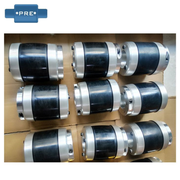
During normal operation, the filter cloth will not touch the detector rod of the trainer. When the filter cloth deviates, the filter cloth will touch the detection rod, the detection rod will be offset, and the air bag in the automatic deviation correction device will be inflated on one side and deflated on one side, driving the deviation correction roller to offset, so that the filter cloth will change the offset direction and return to the normal operation trajectory. Filter cloth correction device composition: automatic correction device, correction roller, detection rod, air pipe, etc.
The accuracy of the trainer is related to the installation accuracy of the trainer:
As a supplier of web trainers, one of the most common questions we get asked: "What is the accuracy of your web trainers?" Suppose I give you a quick answer: for example, "Our accuracy is usually within +/- how many millimeters." You should be skeptical of my answer.
The accuracy of the trainer is determined by three factors: the deviation of the coiled material, the accuracy of the correction system itself, and the installation accuracy of the trainer.
Asking about the accuracy of a trainer based solely on the design of the guiding system is like asking how short a car can stop based on the design of the car and tires alone. If we don't know how fast the car is stopping and how the road is (concrete, gravel, or niqing), we won't be able to answer this question correctly. Further, the unique behavior of the coil: the position offset of the incoming coil, the size of the lateral movement or oscillation of the coil are all important factors that determine the final correction accuracy.
Trainer operation process:
1) Step 1: Fix the web material that needs to be corrected at the designated position of the correction machine as required, and connect it with the bag cutting machine or printing machine as required.
2) Step 2: Connect the power cable of the correction machine to the three-phase electric plug-in board, open the main power switch and electric eye switch of the correction machine controller, and check whether the panel of the correction controller and the electric eye light are displayed normally.
3) According to the actual requirements of deviation correction, adjust the position of the electric eye, the left and right correction buttons, the correction speed, the tension size, and the single and double correction adjustment to single channel correction.
4) Speed adjustment range of the correction controller: 0~10, the smaller the value, the faster the correction speed, generally it is recommended to adjust the correction speed to 3.
5) Tension controller: It is recommended to adjust to 0.25KG.
6) Adjustment of left and right correction: according to the actual demand of correction; Correct the left side and adjust it to the left; Correct the right side and turn it to right.
7) Note: Before adjusting any button by the guide controller, please press the switch button first.
Maintenance requirements for the web guiding system:
(1) Clean and tidy: tools, workpieces, and accessories are placed neatly; Complete safety protection devices; The pipeline and piping are complete.
(2) Cleaning: internal and external cleaning; All sliding surfaces, screws, gears, racks, etc. are free of oil stains and scratches; All parts contain no oil, water, air or electricity; Clean cutting waste.
(3) Lubrication: refueling and oil change on time, and the oil quality meets the requirements; The oil tank, oil gun, oil cup, linoleum, and oil circuit are clean and complete, the oil mark is bright, and the oil circuit is smooth.
(4) Safety: Implement the fixed person, fixed machine, and fixed shift system; Be familiar with the maintenance structure of the correction control system, abide by the operating procedures, use the correction control system reasonably, and carefully maintain the tools to prevent accidents.
Regarding the EPC guiding system and the CPC guiding system, the EPC guiding system can be used in a wide range of applications due to its high-precision control:
EPC correction system is on the edge, on the edge correction, CPC is the correction of the center, this is the correction of the material in the middle of the baseline, CPC is used very little, only the overall material width is inconsistent in the case of back use, that is, a roll of material is wide in some places, some places are very narrow, will be used, most of them use EPC correction system, take the printing and packaging industry as an example, responsible for processing the production equipment of strip materials, due to the high-performance automatic correction control system, The production speed of the whole production line has been increased by at least 5 times on the premise of not reducing the quality of the produced products.
Previous: How To Choose The Guide Roller And Sensor For The Web Guide System
Next: Why Is A Web Guiding System Used in The Winding And Rewinding Process?